The water cycle, also called the hydrologic cycle, is the continuous movement of water on, above, and below the surface of Earth. The total amount of water on Earth changes very little on human timescales. What changes is its form and location. Water exists as liquid in oceans, rivers, lakes, and soil; as solid ice and snow in glaciers, ice caps, and seasonal snowpack; and as invisible water vapor in the atmosphere. The cycle describes how water shifts between these states and travels between major storage areas, known as reservoirs or pools.
These reservoirs hold vastly different quantities of water. The oceans contain the overwhelming majority of Earth’s water. Glaciers and ice caps store a large share of the planet’s freshwater in solid form. Groundwater held in aquifers represents another major freshwater reservoir. Much smaller amounts exist in lakes, rivers, soil moisture, the atmosphere, and living organisms. The water cycle is the set of processes that move water among these reservoirs over time scales ranging from hours to thousands of years.
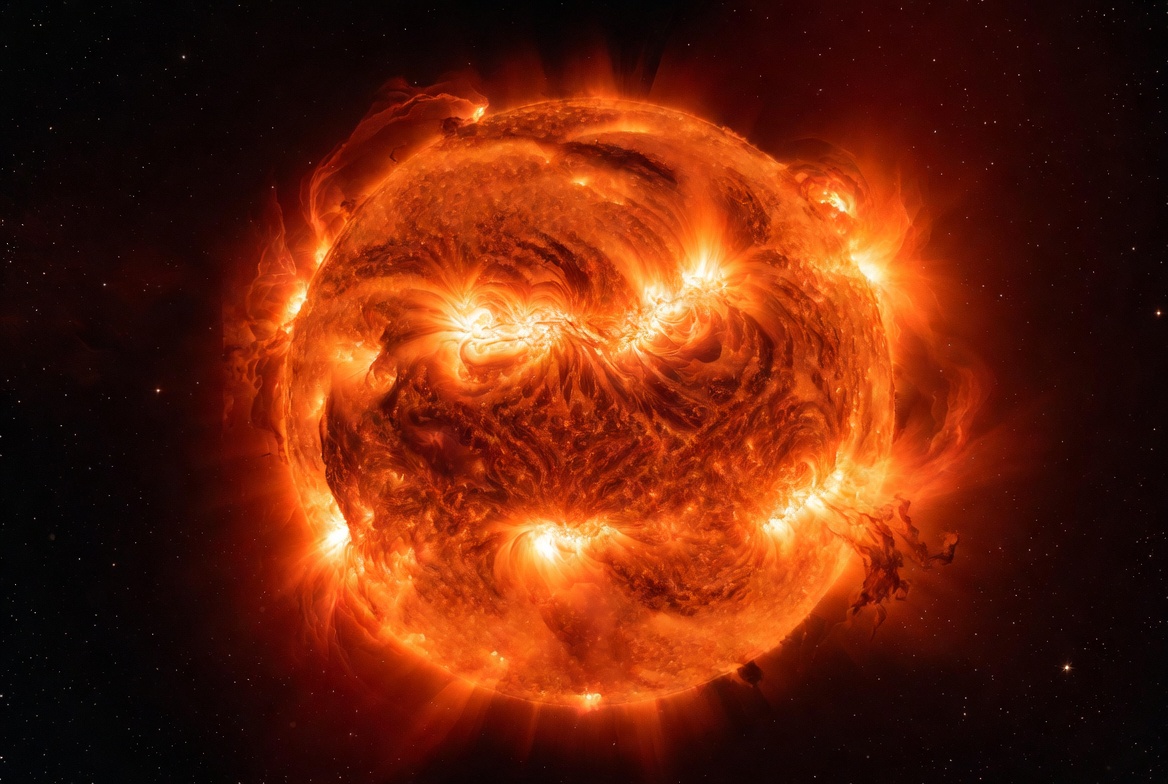
Two primary forces power the cycle. Solar energy provides the heat that drives evaporation and keeps atmospheric circulation active. Without the sun’s energy, liquid water would not readily turn into vapor and rise into the air. Gravity pulls water downward as precipitation and causes it to flow across land surfaces and through underground pathways back toward lower elevations and eventually the oceans. Together, solar energy and gravity keep the cycle in constant motion.
Evaporation and Transpiration
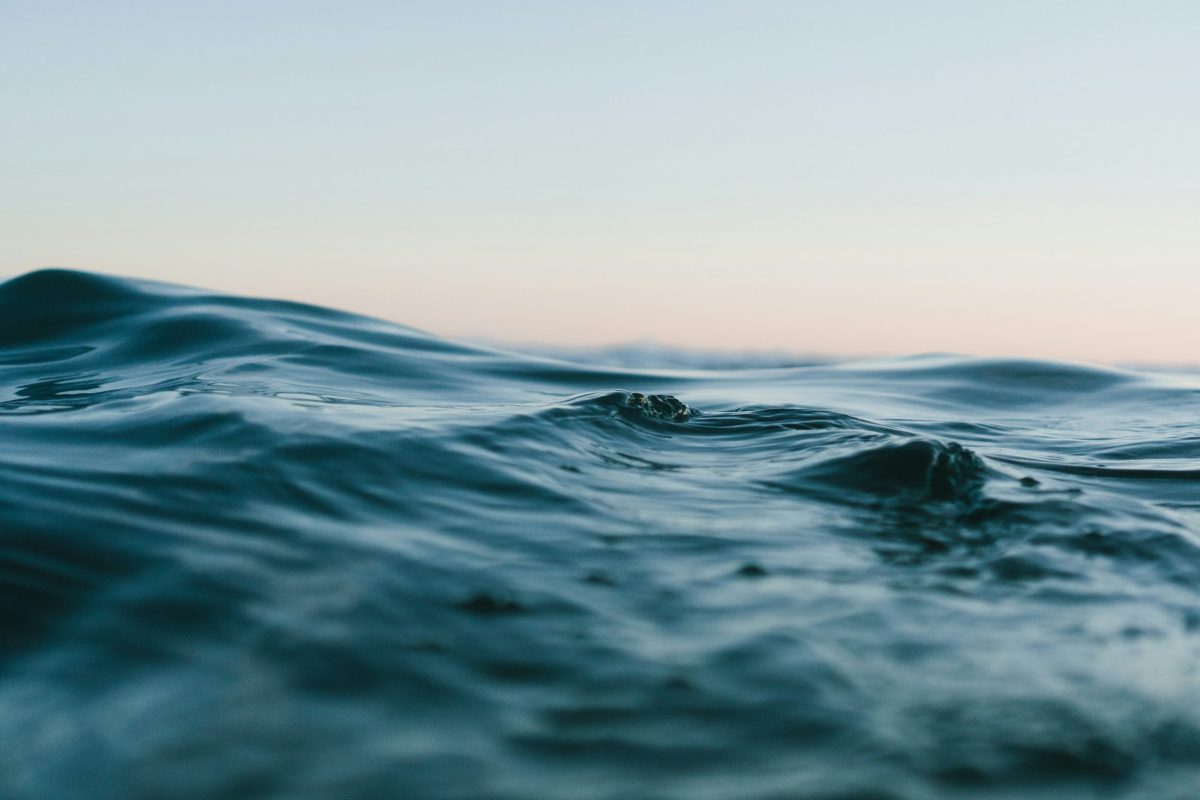
The cycle typically begins with evaporation. Energy from the sun warms liquid water in oceans, lakes, rivers, wetlands, and moist soil. When water molecules gain enough energy, they escape the liquid surface and enter the air as water vapor. Oceans are the dominant source because they cover about 70 percent of Earth’s surface and supply the large majority of atmospheric moisture. Estimates often place oceanic evaporation at roughly 90 percent of the total moisture entering the atmosphere.
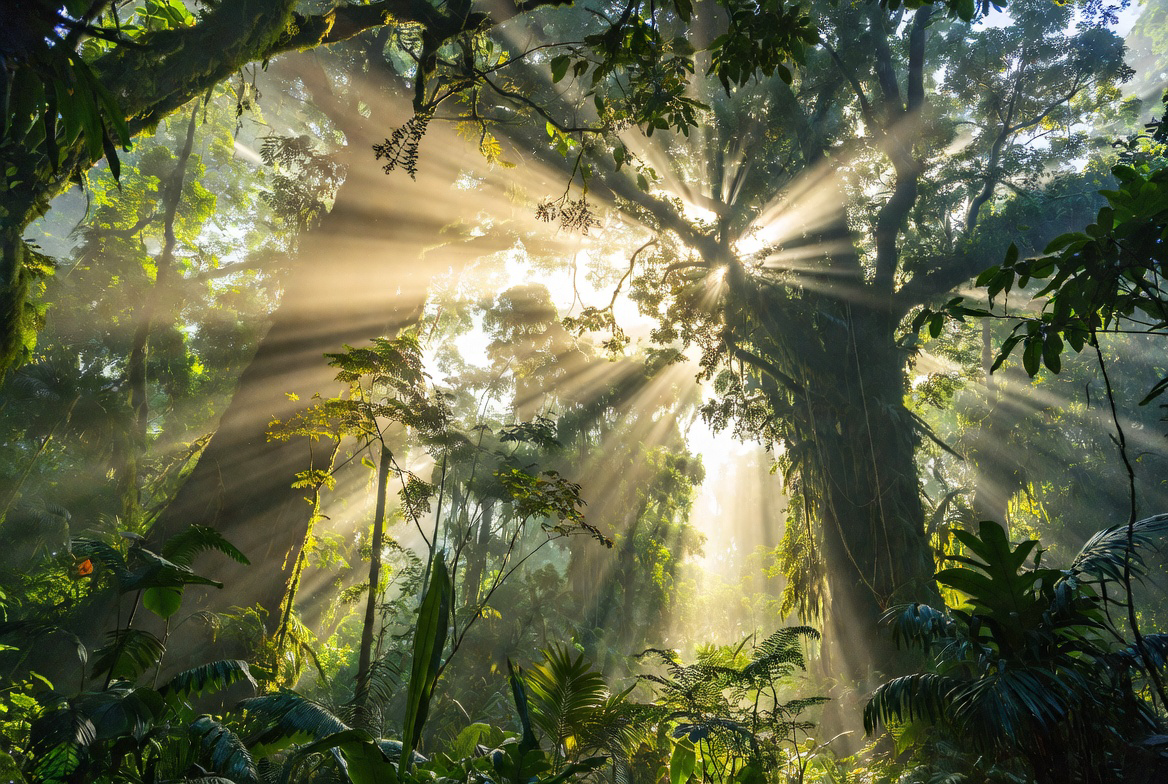
A related process is transpiration. Plants absorb water through their roots and release it as vapor through tiny openings in their leaves called stomata. This release is a normal part of plant physiology. A single acre of corn, for example, can release thousands of gallons of water into the atmosphere in a day under warm, dry conditions. Forests and grasslands also contribute significant amounts through transpiration. Evaporation from open water surfaces and transpiration from plants are often grouped together under the term evapotranspiration.
A smaller contribution comes from sublimation, in which ice or snow turns directly into water vapor without first becoming liquid. This process is more noticeable in cold, dry, windy environments such as high mountain slopes or polar regions.
Condensation and Cloud Formation
Once water vapor is in the atmosphere, rising air currents carry it upward into cooler regions. Cooler air cannot hold as much water vapor as warmer air, so the vapor condenses into tiny liquid droplets or ice crystals. These droplets form around microscopic particles such as dust, salt crystals from the ocean, or pollen that act as condensation nuclei. When enough droplets gather, they become visible as clouds.
Condensation releases latent heat into the surrounding air. This release of energy can influence atmospheric stability and contribute to the development of weather systems. Clouds themselves are not permanent storage; they are temporary collections of condensed water that may later produce precipitation or evaporate again if conditions change.
Precipitation
As cloud droplets collide and grow through processes such as collision-coalescence, or as ice crystals grow in cold clouds, they can eventually become large enough to fall. This is precipitation. It can fall as rain, snow, sleet, freezing rain, or hail depending on the temperature profile of the air through which the water falls. If the air is warm all the way to the ground, rain reaches the surface. If the air is cold, snow or other frozen forms may result.
Precipitation is the main mechanism that returns water from the atmosphere to the surface. The amount and type of precipitation vary widely by location and season, shaping regional climates and water availability.
What Happens After Precipitation Reaches the Surface
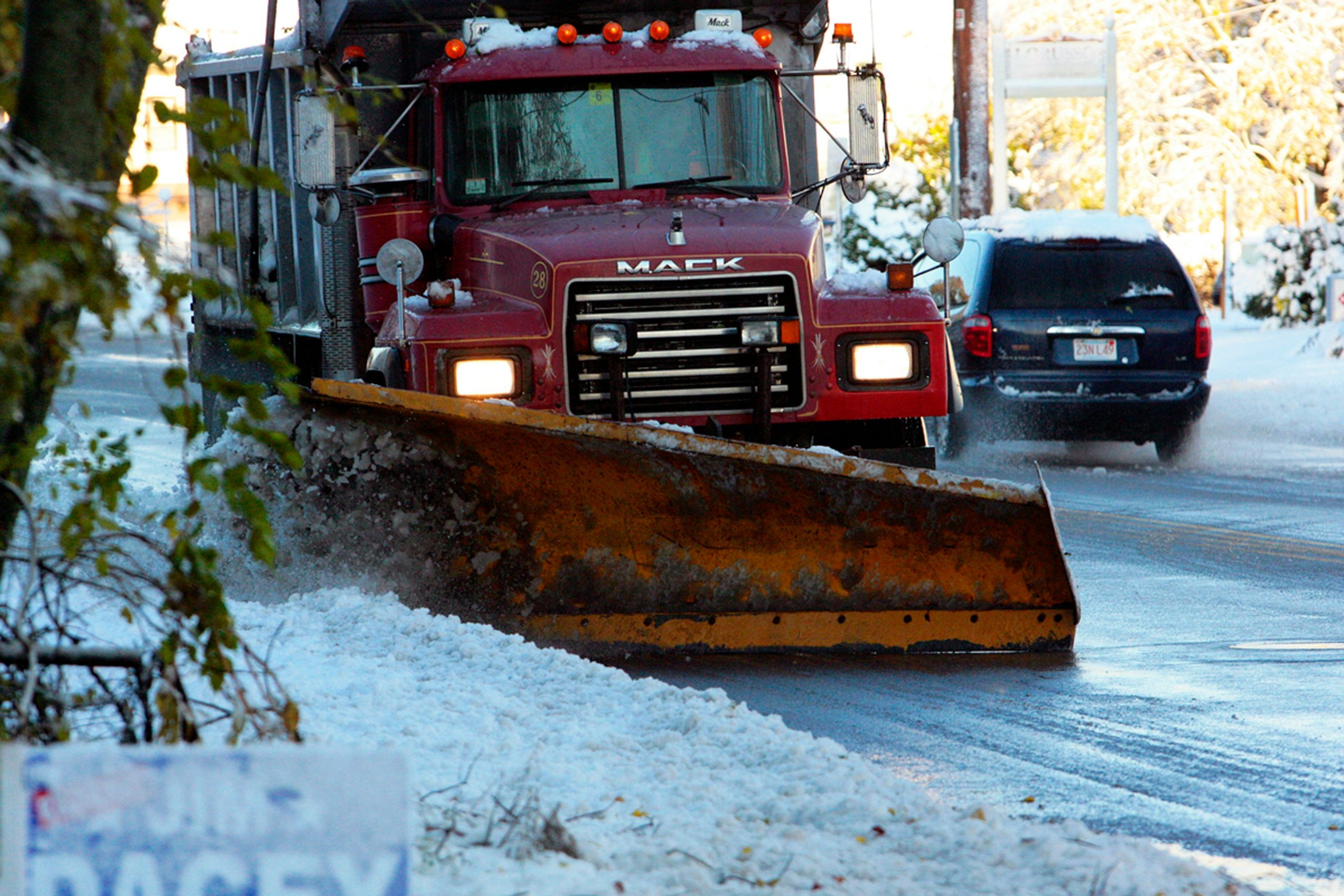
Once water reaches land, several pathways open. Some of it evaporates again relatively quickly from wet surfaces or shallow puddles. Some flows over the surface as runoff, collecting in small channels that join streams and rivers and eventually reach lakes or the ocean. The speed and volume of runoff depend on factors such as slope, soil type, vegetation cover, and how much rain falls in a short time.
Some water infiltrates into the soil. The upper layers of soil hold moisture that plants can use. Water that moves deeper recharges groundwater stored in aquifers—layers of permeable rock, sand, or gravel that can hold and transmit water. Groundwater moves slowly through these underground pathways. It may later emerge at springs, seep into rivers from below, or discharge directly into the ocean along coastlines. In some regions, groundwater is the primary source of water for streams during dry periods.
In cold climates or at high elevations, precipitation may remain locked in snowpack or glaciers for months, years, or much longer before melting and rejoining the liquid part of the cycle. Seasonal snowmelt is an important water source for many river systems. Wetlands, soil moisture, and living organisms also act as temporary storage, holding water for varying lengths of time before it moves onward.
A Global, Simultaneous Process
The water cycle does not operate as a simple sequential loop in one location. All stages occur at the same time across different parts of the planet. Water that evaporates from the tropical ocean may travel long distances in the atmosphere before falling as rain or snow over a distant continent. Groundwater that has been underground for decades or centuries can eventually return to the surface. Atmospheric rivers, large corridors of concentrated water vapor, can transport enormous quantities of moisture from ocean to land in a matter of days.
Human activities influence the cycle in measurable ways. Withdrawing groundwater faster than it is recharged can lower water tables. Building reservoirs changes the timing of river flows. Irrigating farmland increases local evaporation and can affect downstream water availability. Altering land cover—such as replacing forests with cities or farmland—changes how much water infiltrates versus runs off. Modern scientific diagrams of the water cycle commonly include these human influences alongside the natural processes.
The cycle links the atmosphere, land surface, oceans, ice, and living systems into one interconnected process. It governs the distribution of freshwater across the planet, shapes weather and climate patterns, influences soil formation and plant growth, and determines how water is available for ecosystems and human use. Changes in one part of the cycle can have effects far from the original location because the system is connected on a global scale.
Understanding the individual stages—evaporation and transpiration, condensation, precipitation, runoff, infiltration, and groundwater flow—and the connections between them provides a foundation for grasping larger Earth system processes. The water cycle is continuous, global, and essential to the functioning of the planet’s climate and life-support systems.
SOURCES: U.S. Geological Survey, Water Cycle; U.S. Geological Survey, How Much Water is There on Earth?; NASA Science, The Water Cycle; NOAA, Description of the Hydrologic Cycle; NOAA/NESDIS, What Makes It Rain?; U.S. Geological Survey, Groundwater Flow and the Water Cycle.