North America Once Had Dozens of Giant Mammals. What Happened to Them?
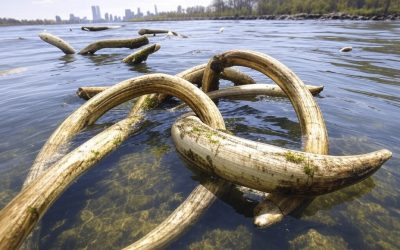
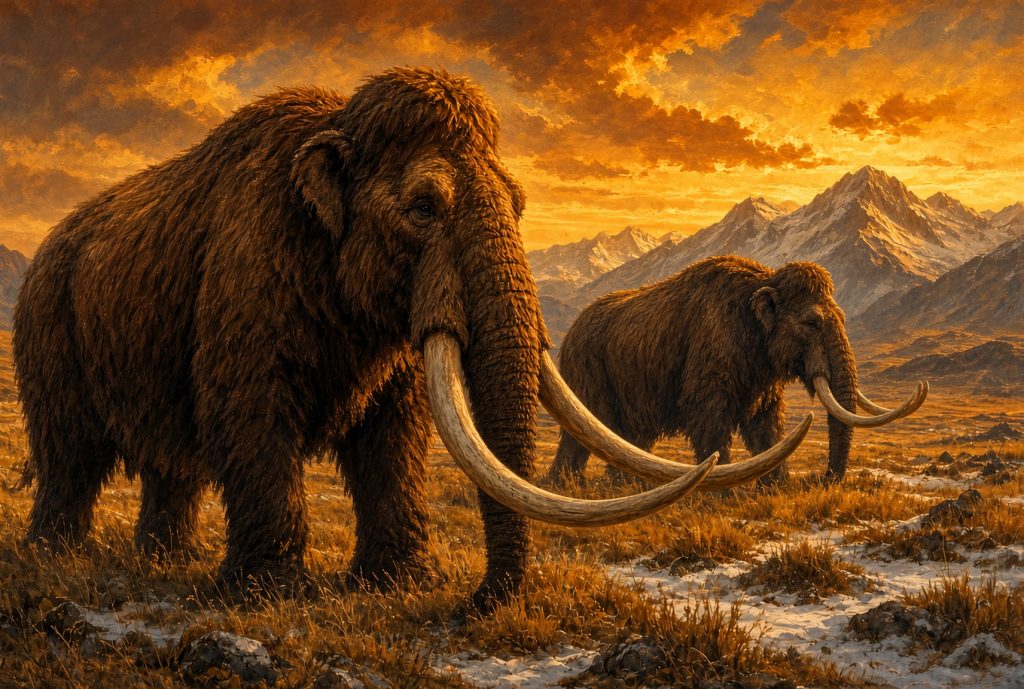
North America once supported mammoths, mastodons, giant ground sloths and enormous predators. Their disappearance near…
North America once supported mammoths, mastodons, giant ground sloths and enormous predators. Their disappearance near…
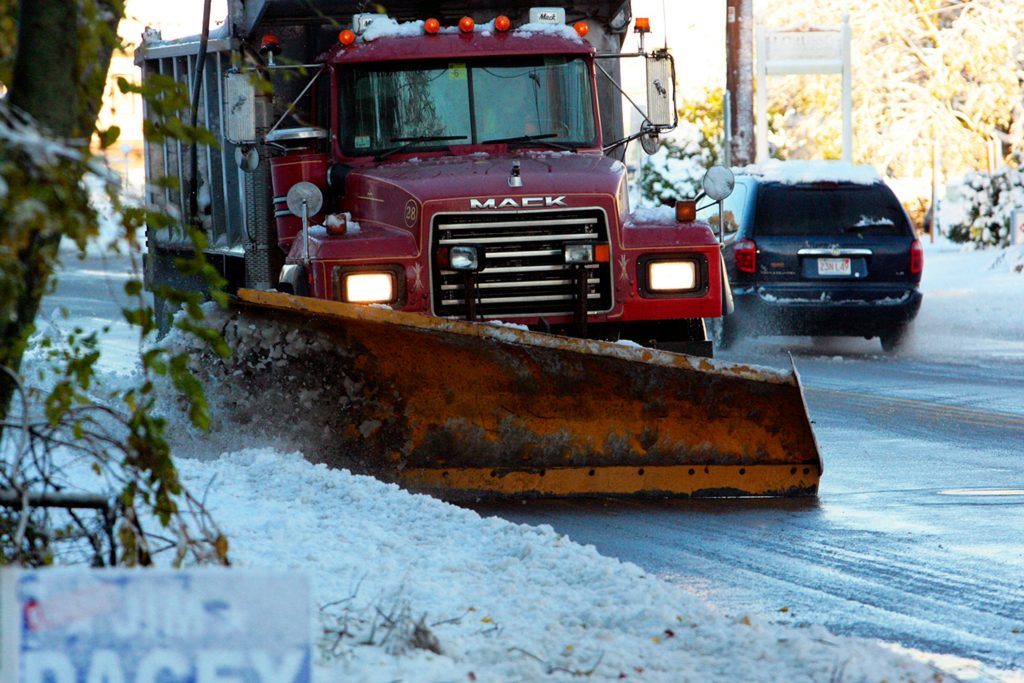
Rock salt does not heat the ice. It makes a brine that freezes colder than…

There is no single global drug problem. UNODC estimates that about 331 million people used…
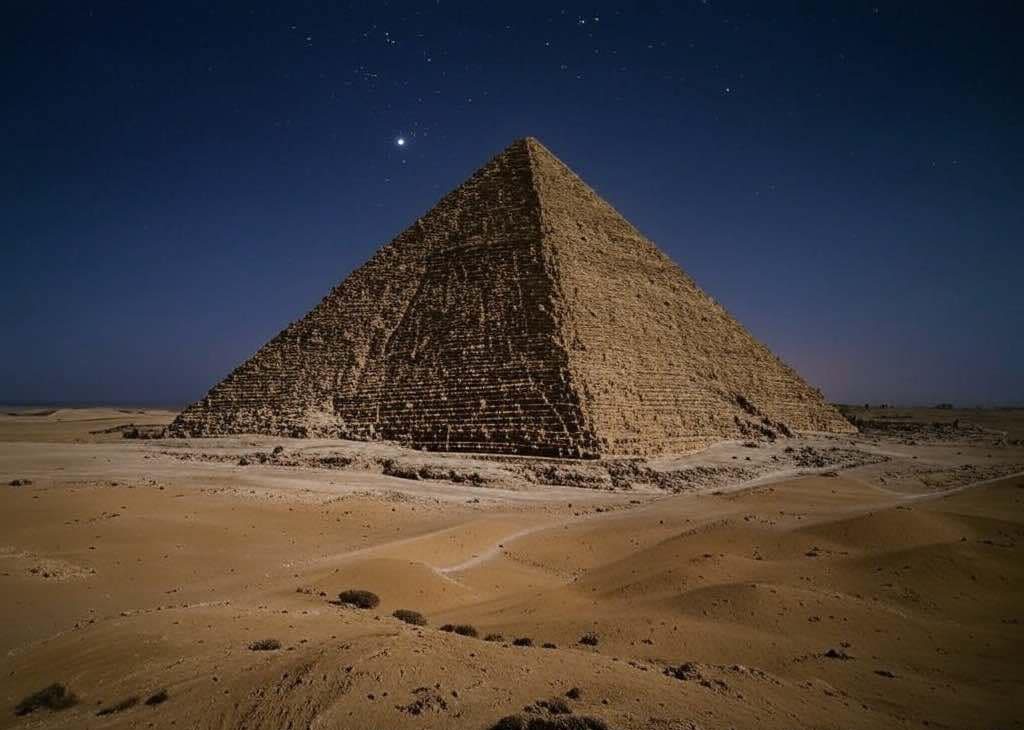
Imagine this: Cleopatra, the iconic queen of Egypt who lived around 30 BCE, was closer…















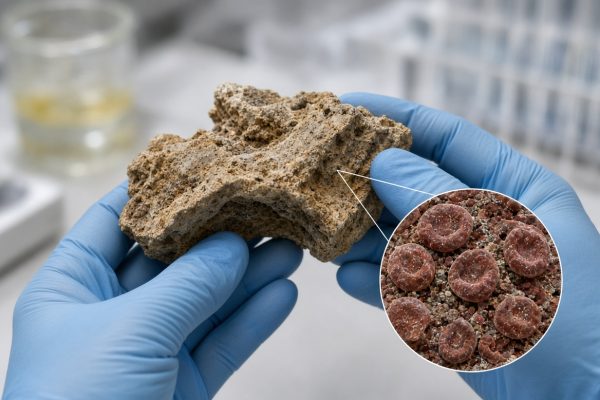
A fragment of leg bone from a small meat-eating dinosaur that lived roughly 115 million years ago in what is now northeastern Brazil contains microscopic structures that researchers interpret as mineralized red blood cells, along with chemical traces of a key component of hemoglobin. The dinosaur is Aratasaurus museunacionali, a basal coelurosaurian theropod known from…
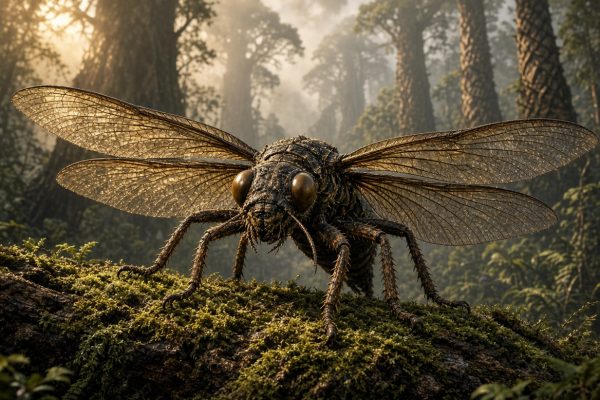
Roughly 300 million years ago, the largest flying insect known from the late Carboniferous had a wingspan of about 65 to 75 centimetres—roughly the length of a human arm. Its name is Meganeura monyi. It belonged to an extinct group called griffinflies (Meganisoptera), close relatives of modern dragonflies but not true dragonflies themselves. On the…

European supermarket groups reported on Monday that refrigeration and freezer systems at stores across the continent had been remotely overridden, raising temperatures and forcing food to be discarded. Ahold Delhaize and Colruyt in Belgium and Luxembourg, ICA and Coop in Sweden, Carrefour in Belgium and SuperValu in Ireland were among the chains affected, according to…
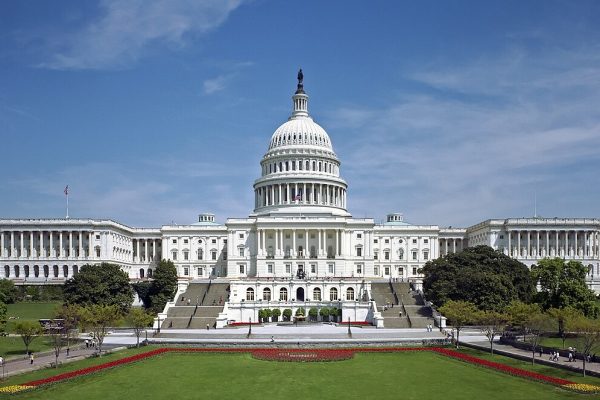
Impeachment is the process the House of Representatives uses to charge a federal official with “Treason, Bribery, or other high Crimes and Misdemeanors.” The Constitution gives the House the sole power to impeach and the Senate the sole power to try all impeachments. An impeachment is not a removal. It is the equivalent of an…
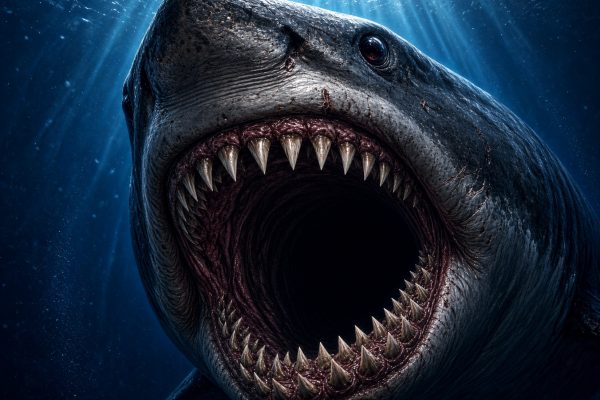
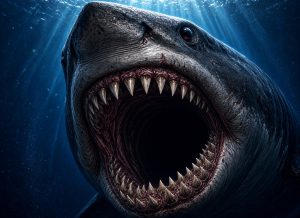
For roughly 20 million years a shark the length of a city bus patrolled warm coastal waters with teeth the size of a human hand. Otodus megalodon was not merely large. It was the dominant predator of its world, and then the fossil record goes quiet. The last reliable teeth date to about 3.6 million…
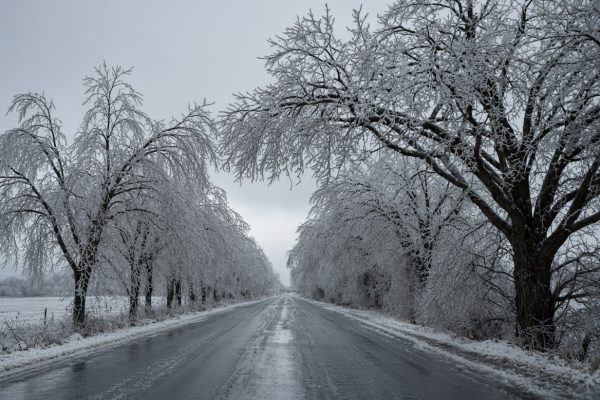
El Niño is one of the strongest natural influences on winter weather across North America. When it develops, unusually warm sea-surface temperatures in the equatorial Pacific alter atmospheric circulation, including the position and strength of the jet streams that steer storms and Arctic air. For Canada, that shift has historically favoured milder conditions across much…
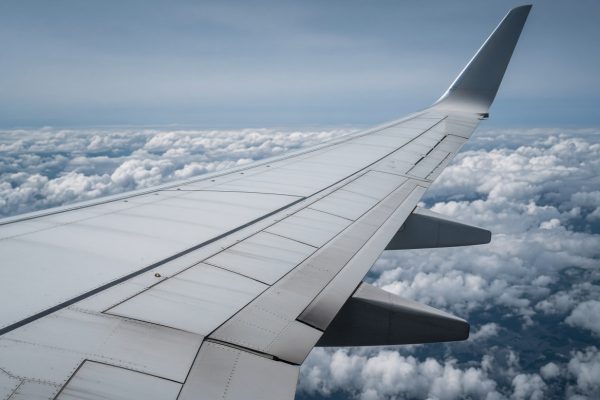
An airplane can be travelling hundreds of miles per hour, thousands of feet above the ground, and suddenly begin dropping toward the earth. To someone watching from the ground, it can look as though the aircraft simply fell out of the sky. But airplanes do not need to lose an engine to experience a catastrophic…
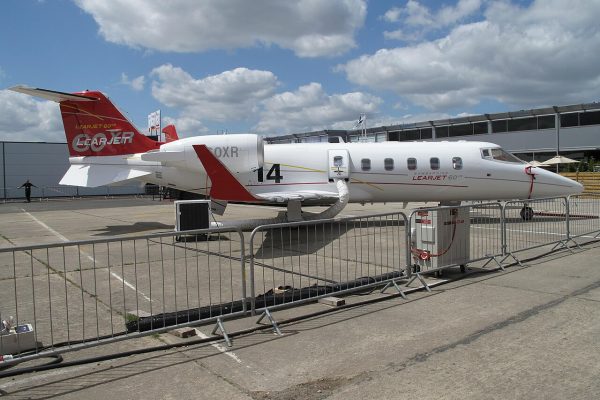
The Federal Aviation Administration said Sunday, 1 November 2026, that a Learjet 60 carrying nine people crashed in a residential area near Greenacres in Palm Beach County, Florida, and Transportation Secretary Sean Duffy said all nine on board were killed. The aircraft, registered N722BD, departed Austin-Bergstrom International Airport in Texas and was headed to North…
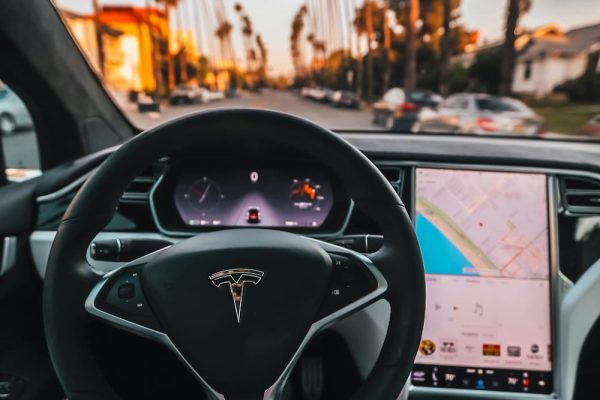
Autopilot technology has evolved from relatively simple mechanical controls into sophisticated electronic systems that help operate aircraft, ships and road vehicles. Originally developed to reduce the effort required to maintain stable flight, automatic control systems now help pilots follow flight paths, ships maintain headings and drivers manage certain aspects of driving. Although these technologies share…
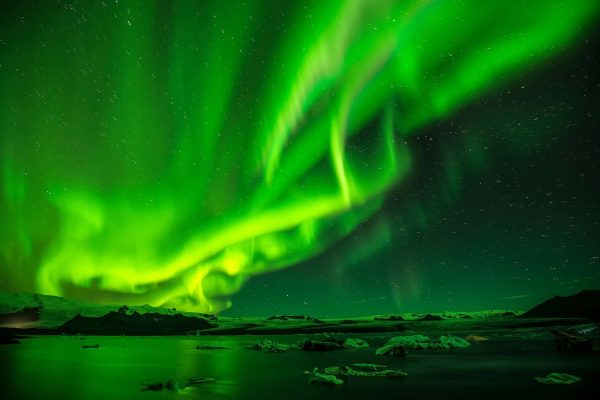
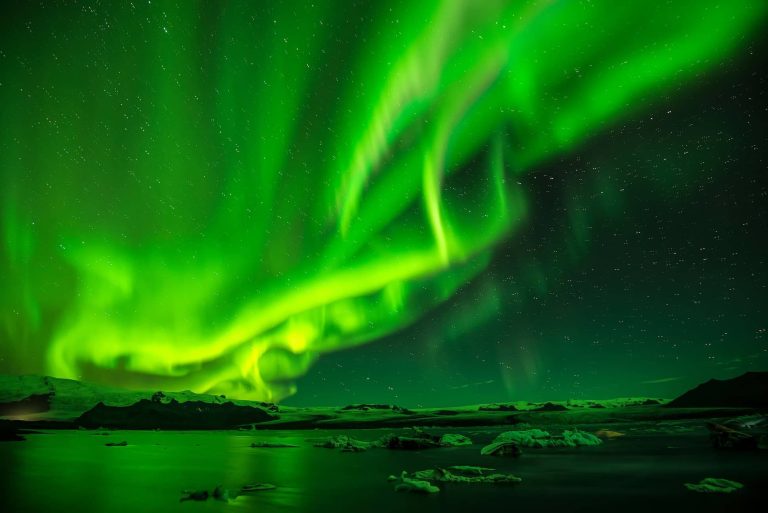
In 1859, the Carrington Event transformed the night sky into a canvas of unearthly splendor, bathing the world in auroras of breathtaking beauty while silently sowing chaos in the rudimentary technology of the day. Today, a similar solar storm would pair that same awe-inspiring display with potentially catastrophic disruptions. Let’s explore the dual nature of…