The Industrial Revolution is usually told as a list of inventions. That hides what actually changed.
For most of history, work came from muscles, animals, wind, water, and wood. In the late 1700s and early 1800s, Britain learned to do much more work with coal. Machines used the coal. Factories organized the work. Cotton and trade supplied the raw material.
It did not happen everywhere at once. It did not happen in one decade. Belgium, parts of France, the German states, and the United States followed. Most of the world did not. The income gap that opened in the 1800s started here.
What Was the Industrial Revolution?
Before the mills, most goods were made in homes and small workshops. Most people still worked on the land. Output per person rose only slowly.
Spinning and weaving changed first. Water-powered mills, then steam-powered mills, took that work out of the house. It moved under one roof, on a clock. One worker could make far more yarn and cloth than a spinner at home. People noticed cotton towns before they talked about “industry.”
The change still took generations. Cheap steel, chemicals, and electricity came later. Do not treat 1770 as if it already had all of that.
Key Causes of the Industrial Revolution
Britain had a rare mix of conditions.
Britain had substantial, accessible coal reserves, with important coalfields connected to industrial regions by rivers, canals, and later railways. Iron was available. Farms already grew enough that more people could leave the land. Courts and banks made it possible to own a mill and pay for it. Trade and empire brought in cotton and sold the cloth.
James Watt did not invent the steam engine. Thomas Newcomen’s engines were already pumping water out of mines. Watt’s later engines made steam cheap enough to run factories and, later, trains.
New spinning machines raised how much yarn one person could make. In 1793, Eli Whitney’s cotton gin made short-staple American cotton easier to clean. British mills ran on that fibre. Leave the plantations out, and the British story is incomplete.
Historians still argue about why Britain went first. Robert Allen says British wages were high, so machines were worth buying. E.A. Wrigley says the key shift was from wood and muscle to coal. Kenneth Pomeranz says coal at home and resources from the New World help explain why Britain pulled ahead when it did. You do not need one winner. You need to drop the idea that inventions alone created industry.
Major Developments During the Industrial Revolution
The factory was a system. Machines, workers, and a boss’s clock sat in one place. That mattered as much as any single machine.
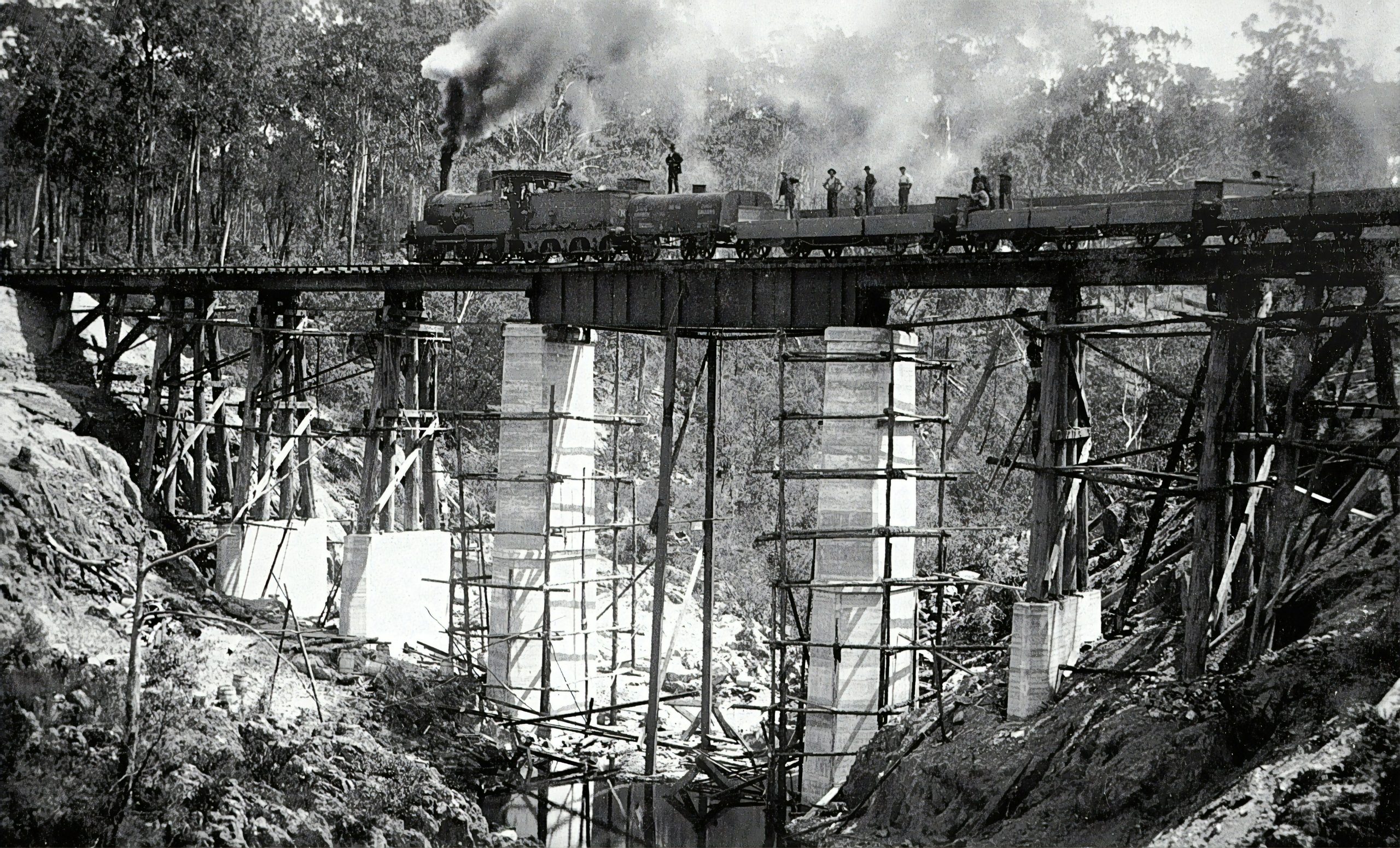
Transport came after the first mills. Canals moved coal and goods. Railways after 1830 cut the cost of moving both. The Liverpool and Manchester line is the usual marker. Steamships did the same at sea.
Henry Bessemer’s cheap steel process dates from the 1850s. That is a later wave. It does not belong next to the first cotton mills.
Social and Economic Changes
Manchester and Birmingham became the examples people pointed to. Packed housing. Long shifts. Child labour. Coal smoke.
Factory work could offer wages that attracted workers from rural areas, although pay varied sharply by occupation, gender, age, and region. The work was still dangerous. The hours were long. Children worked in the mills.
Britain’s Factory Acts, from 1833 on, slowly limited child labour and working hours. They were not a gift. They were a response to conditions everyone could see.
A class of owners and managers grew. So did a class of people who owned only their time. A lot of later politics comes from that split. Dirty air and dirty rivers were already a public problem in the 1800s.
Global Impact of the Industrial Revolution
Britain’s early lead also meant demand for other people’s land and labour. Cotton came from the American South and from India. The British empire opened markets. Coal and machines stayed at home. Industrial power and imperial power fed each other.
“It created prosperity” is an incomplete sentence. It created prosperity first in some places, using supplies from others.
Countries that industrialized in the 1800s pulled ahead of those that did not. Germany, the United States, and Japan later closed part of that gap.
Britain really did industrialize first. That is not the whole story. The income gap is not in dispute. What caused it still is: coal, colonies, British institutions, or some mix of all three.
Why the Industrial Revolution Still Matters Today
Factory work, fossil fuel, railways, and city wage labour start here. Climate policy is, among other things, a fight about the fuel that made this growth possible.
The useful question is not whether the Industrial Revolution was good or bad. Output rose, and over time, living standards improved for large populations. But coal came with it. So did factory discipline. The result was a growing divide between early industrialized countries and everyone else. These were really the two sides of the same story.
SOURCES: E.A. Wrigley on coal; Robert C. Allen, The British Industrial Revolution in Global Perspective; Kenneth Pomeranz, The Great Divergence; David Landes, The Unbound Prometheus; Eric Hobsbawm; Joel Mokyr; T.S. Ashton; standard histories of Newcomen and Watt, cotton machines, Whitney’s gin (1793), the Liverpool and Manchester Railway (1830), the Bessemer process (1850s), and the British Factory Act of 1833.