For thousands of years, humanity has looked toward the night sky and wondered what lies beyond our world. Today, space exploration allows us to investigate questions that once seemed impossible to answer: How did the universe begin? Are we alone? Could humans one day live beyond Earth?
But exploring space is about more than distant planets, spectacular photographs, and ambitious missions. It also changes how we understand our own planet, drives scientific discovery, and pushes technology beyond its existing limits. Some of its most important benefits may not come from what we find millions of kilometres away, but from what we learn and develop along the way.
From studying ancient galaxies to searching for signs of life beyond Earth, space exploration continues to expand humanity’s understanding of the universe and our place within it.
Uncovering the Origins of the Universe
One of the greatest mysteries in science is how the universe began and how it developed into the vast collection of galaxies, stars, and planets we see today.
Space telescopes have given scientists an extraordinary opportunity to investigate these questions. Launched in 1990, the Hubble Space Telescope transformed astronomy by capturing detailed observations of distant galaxies, nebulae, and other celestial objects. Its discoveries helped scientists refine estimates of the universe’s age and better understand how galaxies evolve.
More recently, the James Webb Space Telescope has opened another window into the cosmos. Launched in December 2021, Webb observes the universe primarily in infrared light, allowing it to detect extremely distant objects and study regions where stars and planetary systems are forming.
These observations offer glimpses into earlier periods of cosmic history. Because light takes time to travel, looking at extremely distant galaxies also means looking back in time. The light reaching our telescopes today may have begun its journey billions of years ago.
Every new observation helps scientists test existing theories, uncover unexpected phenomena, and ask better questions about the universe. We are not simply collecting beautiful images of space. We are gradually piecing together the history of everything around us.
How Space Exploration Benefits Life on Earth
Although space exploration often focuses on destinations far beyond Earth, some of its most practical benefits are found much closer to home.
Satellites play an essential role in modern life. They support weather forecasting, global communications, navigation, environmental monitoring, and disaster response. By observing large areas of the planet, satellites help scientists track storms, monitor changing landscapes, measure environmental conditions, and provide information that can support emergency planning.
GPS is another important example of how space-based technology affects everyday life. Interestingly, the Global Positioning System was originally developed for military purposes by the United States Department of Defense. Its network of satellites eventually became an essential tool for civilian navigation, transportation, mapping, and countless commercial applications.
Research conducted in space can also contribute to advances in medicine and technology. The International Space Station provides a microgravity environment where researchers can study biological processes, human health, materials, and physical phenomena that behave differently outside Earth’s gravity.
Some experiments help scientists investigate how the human body responds to long periods in space. Others examine disease processes, protein structures, and potential improvements to medical technologies.
Not every modern invention is a direct result of space exploration, but the challenges of operating in extreme environments encourage engineers and researchers to develop new approaches to problems. Those advances can sometimes find useful applications on Earth.
In this way, space exploration is not separate from everyday life. It contributes to the scientific knowledge and technologies that help society understand and manage the world we live in.
Searching for Life Beyond Earth
Perhaps no question captures the imagination quite like whether life exists beyond our planet.
Earth is the only world currently known to support life, but scientists have discovered that some places in our solar system may possess conditions that could support microbial organisms. Finding evidence of life elsewhere would fundamentally change our understanding of biology and humanity’s place in the universe.
Mars is one of the most important destinations in this search. Billions of years ago, the planet had environments that were much wetter than those found on its surface today. Evidence of ancient river channels, lake deposits, and minerals formed in the presence of water suggests that Mars once had conditions that may have been suitable for microbial life.
NASA’s Perseverance rover, which landed on Mars in February 2021, is investigating Jezero Crater, an area believed to have once contained a lake. The rover collects and stores rock and soil samples that scientists hope could eventually be returned to Earth for more detailed examination.
Finding evidence of ancient life on Mars would be an extraordinary discovery. It could suggest that life emerged independently on another world, raising new questions about how common life might be throughout the universe. However, no confirmed evidence of past or present life has been discovered on Mars.
Mars is not the only intriguing destination.
Europa, one of Jupiter’s largest moons, is covered by an icy outer shell and is believed to contain a vast ocean of liquid water beneath its surface. Scientists are interested in Europa because liquid water, together with suitable chemical ingredients and energy sources, could create conditions favourable to life.
NASA’s Europa Clipper spacecraft launched on October 14, 2024, and is expected to reach Jupiter in April 2030. It will conduct repeated close flybys of Europa, studying its ice shell, composition, geology, and potential habitability.
The mission is not designed to directly detect life. Instead, it will investigate whether Europa has conditions that could support it.
The distinction matters: discovering an environment that might be habitable is not the same as finding living organisms. Yet even learning that life could potentially exist elsewhere would be a major step toward answering one of humanity’s oldest questions.
The Possibility of Resources Beyond Earth
Space exploration may eventually change how humanity thinks about natural resources.
Asteroids, the Moon, and other celestial bodies contain materials that could become useful as space technology advances. Some asteroids contain metals such as iron, nickel, and cobalt, while certain lunar regions may contain water ice.
These resources could have practical value for future missions. Water, for example, could potentially be processed into drinking water, oxygen, or rocket propellant. Using resources already available in space might reduce the amount of material that must be transported from Earth, where launching heavy equipment and supplies is extremely expensive.
Asteroid mining has also attracted interest from private companies. However, the industry remains largely experimental and speculative. Early companies such as Planetary Resources and Deep Space Industries were acquired by other businesses, and commercial asteroid mining has not become an established source of resources.
The technical and financial challenges are substantial. Reaching an asteroid, extracting materials, processing them, and transporting useful products would require complex systems and enormous investment.
For now, the greatest near-term potential may be using resources in space to support further exploration rather than bringing valuable materials back to Earth.
If these technologies eventually become practical, they could help make longer missions and future space infrastructure more achievable. But the economic and environmental benefits remain uncertain.
International Collaboration and the International Space Station
Space exploration is also an example of what countries can accomplish through cooperation.
The International Space Station (ISS) is one of the clearest examples. Built through a partnership involving NASA, Russia’s space agency, the European Space Agency, the Japan Aerospace Exploration Agency, and the Canadian Space Agency, the station represents decades of international engineering and scientific collaboration.
Continuously occupied since November 2000, the ISS serves as an orbiting laboratory where astronauts conduct research in microgravity. Its experiments cover areas such as human physiology, biology, physics, materials science, and technology development.
The station also provides a unique perspective on Earth. Astronauts observe weather systems, environmental changes, and natural events from orbit, while instruments aboard the station contribute data that researchers can use to study our planet.
Maintaining such a complex facility requires countries with different languages, priorities, and technical systems to coordinate their work. The partnership has faced political tensions and operational challenges, but its continued scientific and engineering contributions demonstrate the value of sustained international cooperation.
As missions become more ambitious, collaboration will likely remain important. Exploring the Moon, studying distant planets, and eventually attempting human missions to Mars require resources, expertise, and capabilities that extend beyond the reach of any single organization.
The Future of Space Exploration
The next chapter of space exploration could bring some of humanity’s most ambitious goals closer to reality.
NASA’s Artemis program is intended to return astronauts to the lunar surface and establish the foundations for longer-term exploration. As of October 2026, NASA plans for Artemis III to launch in 2027 as a crewed demonstration mission in low Earth orbit. The mission is intended to test operations between the Orion spacecraft and commercial lunar lander systems. NASA currently plans its first crewed lunar landing under Artemis IV in 2028.
These missions are about more than repeating the achievements of the Apollo era. They are intended to develop the systems, experience, and infrastructure needed for a more sustained human presence beyond Earth.
The Moon could serve as a testing ground for technologies needed on longer journeys. Scientists and engineers will need to understand how to protect astronauts from radiation, manage limited supplies, produce or use local resources, and maintain equipment in an environment far more hostile than Earth’s.
Eventually, these lessons could help prepare for human exploration of Mars. A crewed mission to the Red Planet would present enormous challenges, including long travel times, radiation exposure, limited opportunities for resupply, and the difficulty of returning safely.
Even if these goals take decades to achieve, the work being done today helps establish the knowledge and capabilities that future missions will depend on.
Space exploration also inspires the next generation of scientists, engineers, programmers, and innovators. The questions raised by each new discovery encourage people to study subjects that may lead to breakthroughs far beyond the original mission.
The Challenges and Costs of Exploring Space
Despite its potential, space exploration comes with serious limitations.
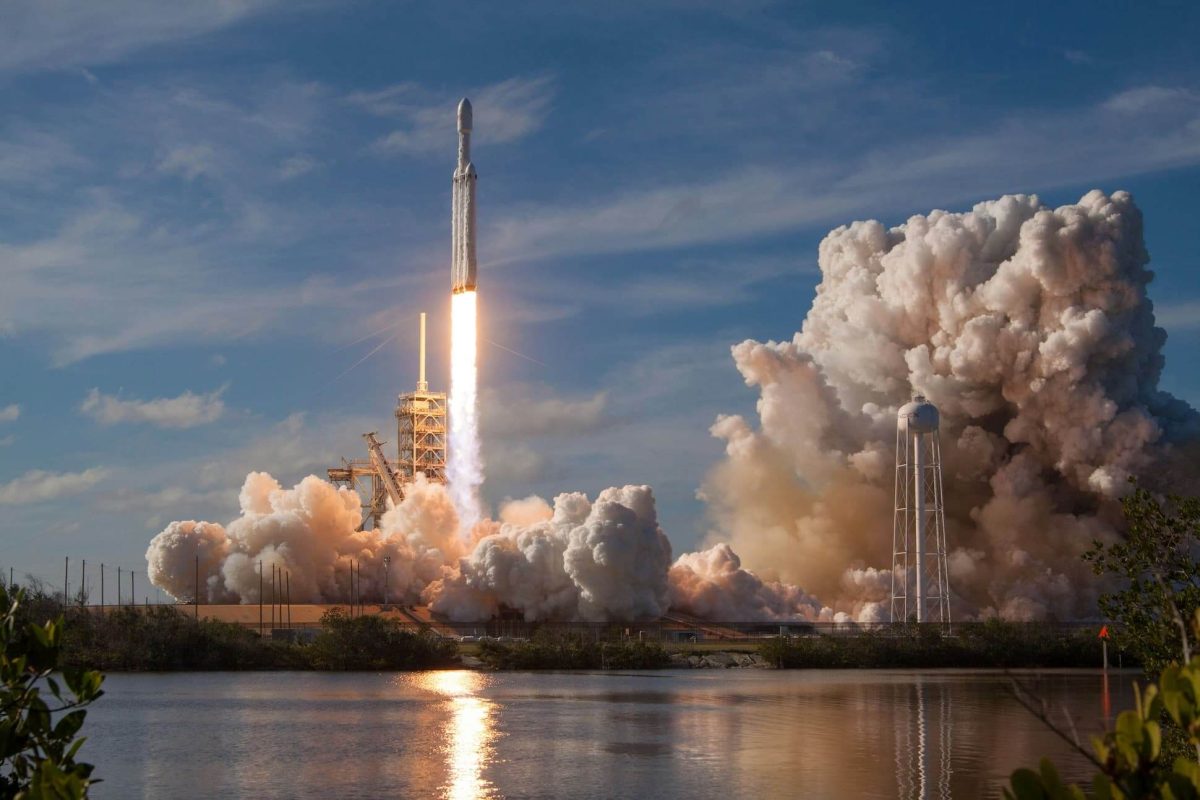
Missions require enormous financial investment, advanced technology, and years of planning. Launching spacecraft, maintaining equipment, and protecting astronauts from the dangers of space are complicated and expensive undertakings.
There are also environmental concerns. Increasing numbers of satellites and rocket launches contribute to a growing challenge involving space debris. Defunct satellites, discarded rocket components, and fragments from collisions can remain in orbit and threaten operational spacecraft.
Human spaceflight introduces additional risks. Astronauts face exposure to radiation, prolonged isolation, changes to their bodies in microgravity, and the possibility of equipment failure far from Earth.
These challenges raise important questions about priorities. Governments and organizations must weigh the scientific and technological benefits of exploration against its costs and risks, especially when resources could also be used to address problems on Earth.
However, space exploration and improving life on Earth do not have to be opposing goals. Satellite observations, scientific research, and technologies developed for challenging environments can contribute to practical needs on our planet.
The key is ensuring that exploration is pursued responsibly, with realistic expectations about what missions can achieve and what benefits they may deliver.
Conclusion: Expanding Humanity’s Understanding of the Universe
Space exploration is ultimately about expanding the boundaries of human knowledge.
It helps us investigate the origins of the universe, understand how planets form, search for conditions that could support life, and develop technologies with applications far beyond the missions that inspired them.
Some discoveries may answer questions that have fascinated humanity for generations. Others may challenge what we currently believe and introduce entirely new mysteries.
We may not know whether humans will establish permanent communities beyond Earth, discover life elsewhere, or develop the ability to use resources from distant worlds. But every mission adds to the knowledge that makes those possibilities easier to evaluate.
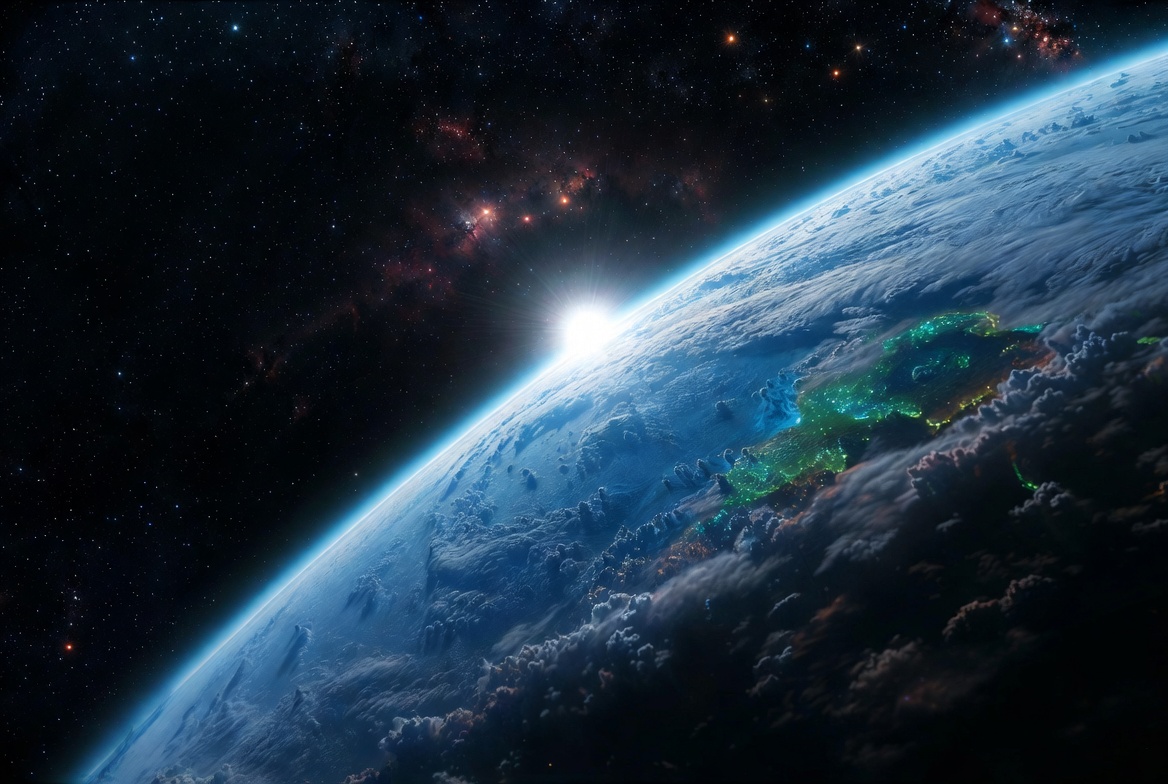
Looking outward also gives us a different perspective on our own planet. From space, Earth is a small world surrounded by an immense universe, yet it remains the only place we know of where life exists.
That makes exploring the cosmos about more than reaching distant destinations. It is also about understanding how our world came to be, what makes it habitable, and what the future might hold for humanity.
The mysteries of the universe are far from solved. With every telescope, spacecraft, and scientific discovery, we move a little closer to understanding them.
SOURCES: NASA, NASA Science, NASA Jet Propulsion Laboratory, European Space Agency, Canadian Space Agency, NASA Artemis Program, NASA International Space Station.