Screen Shot 2026 04 26 At 12.15.52 PM

Samuel Reid

Samuel Reid is a writer for Published Daily, specializing in technology and science-focused articles, covering digital trends, emerging innovations, scientific discoveries, and the impact of new technologies on everyday life.

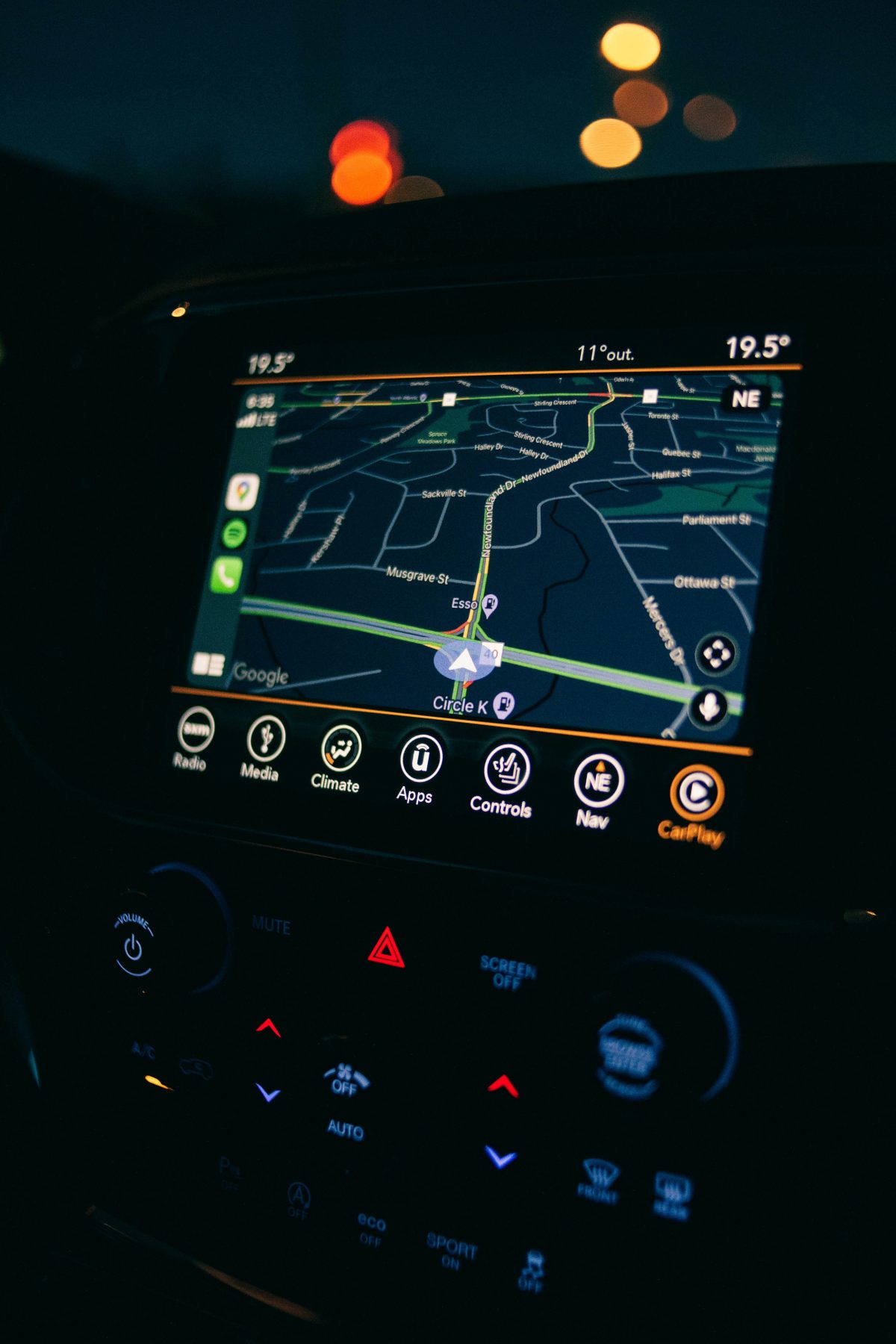
Close-up of a car’s infotainment screen showing a GPS navigation map at night, with temperature readings, Google Maps interface, and illuminated climate and media controls on the dashboard.

How GPS Works: The Satellite System That Locates Us Anywhere on Earth

The Global Positioning System, or GPS, is a constellation of satellites that allows a receiver anywhere on or near Earth’s surface to determine its precise three-dimensional position and exact time. Operated by the United States Space Force and owned by the U.S. government, the system provides continuous, worldwide coverage free of charge for civilian users….

Read More
Top view of people sitting down at a table with assorted laptop computers and mobile phones.

Impact of Technology on Society: The Positive and Negative Effects

Technology has changed far more than the devices people use every day. It has changed how information moves, how businesses operate, how healthcare is delivered, how people learn, how work is organized, and how individuals interact with one another. That transformation has produced enormous benefits. Digital technologies can make information easier to access, connect people…

Read More
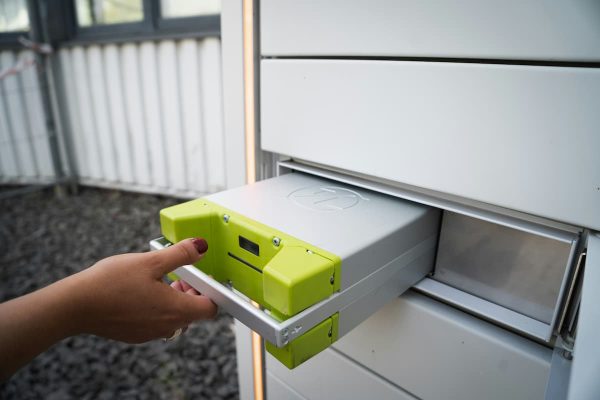
Close-up of a solid-state battery being inserted into an electronic device for charging.

Solid-State Batteries: Why They’re Considered the Future of Energy Storage

Solid-state batteries could reshape how we store energy, but turning their potential into commercially viable products remains a major challenge. The basic idea is straightforward: replace the liquid electrolyte used in conventional lithium-ion batteries with a solid material. That change could eventually allow batteries with higher energy density, improved safety, and different designs that are…

Read More
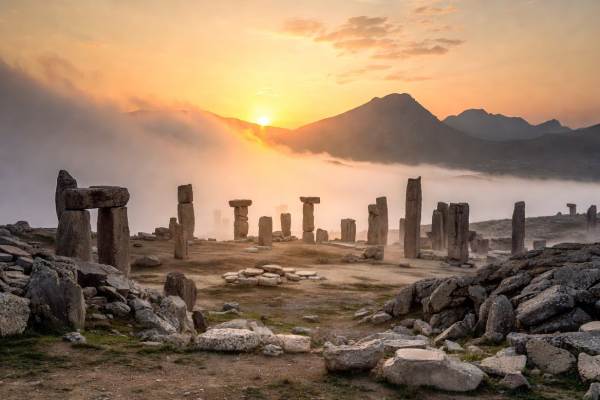
Göbekli Tepe at sunrise: ancient T-shaped pillars emerging from mist on a limestone ridge in Turkey, with dramatic golden light and mountains in the background.

Buried Secrets of Göbekli Tepe: Are These Pillars Hiding the Truth About Our Past?

Göbekli Tepe stands as one of humanity’s greatest mysteries — a 12,000-year-old temple complex built by hunter-gatherers and deliberately buried beneath the earth. With its towering T-shaped pillars carved with strange and powerful symbols, the site challenges everything we thought we knew about the origins of civilization. Only a fraction has been uncovered. What secrets are still waiting to be revealed?

Read More
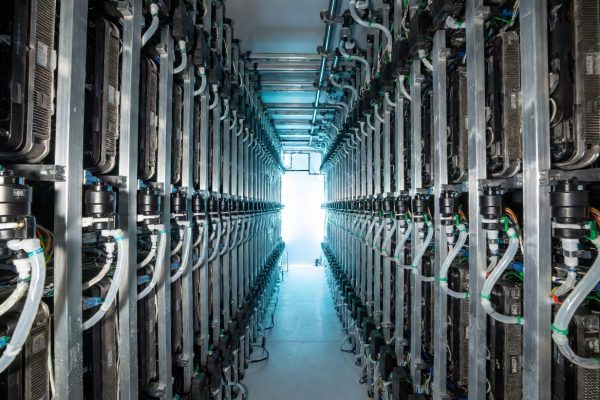
water-cooled server aisle in an AI data center for large language models, visible liquid cooling pipes and subtle condensation.

Environmental Impact of Large Language Models: Energy and Water Use Explained

Large language models can answer questions, write articles, generate code and analyze information in seconds. But behind that convenience is a physical infrastructure that consumes electricity, requires cooling and depends on enormous data centers. That has created a growing question around artificial intelligence: How much does using AI actually cost the environment? The answer is…

Read More
AI-generated illustration of woolly mammoths overlooking a snowy mountain valley as a fiery meteor shower fills the prehistoric sky.

The Younger Dryas Impact Hypothesis: A Cosmic Threat to a Cozy Consensus?

Roughly 12,800 years ago, Earth hit a climatic brick wall. The Younger Dryas—a roughly 1,200-year cold reversal that interrupted the post-Ice Age warming—has often been explained through changes in North Atlantic circulation, including freshwater forcing and weakening of the Atlantic Meridional Overturning Circulation (AMOC). But the Younger Dryas Impact Hypothesis offers a radically different possibility:…

Read More