In the early hours of Friday, September 4, 2026, cheers erupted near Nepal’s Upper Trishuli 3A hydropower station as rescuers hauled two mud-caked men into daylight. Sanjay Sah, a 30-year-old mechanical foreman, and Kabir Maharjan, a 45-year-old mechanical supervisor, had spent nine days trapped deep inside a tunnel after a glacial collapse unleashed a deadly torrent of water, rock, and debris. Their survival offers a rare spark of hope amid one of the deadliest natural disasters in recent Himalayan history.
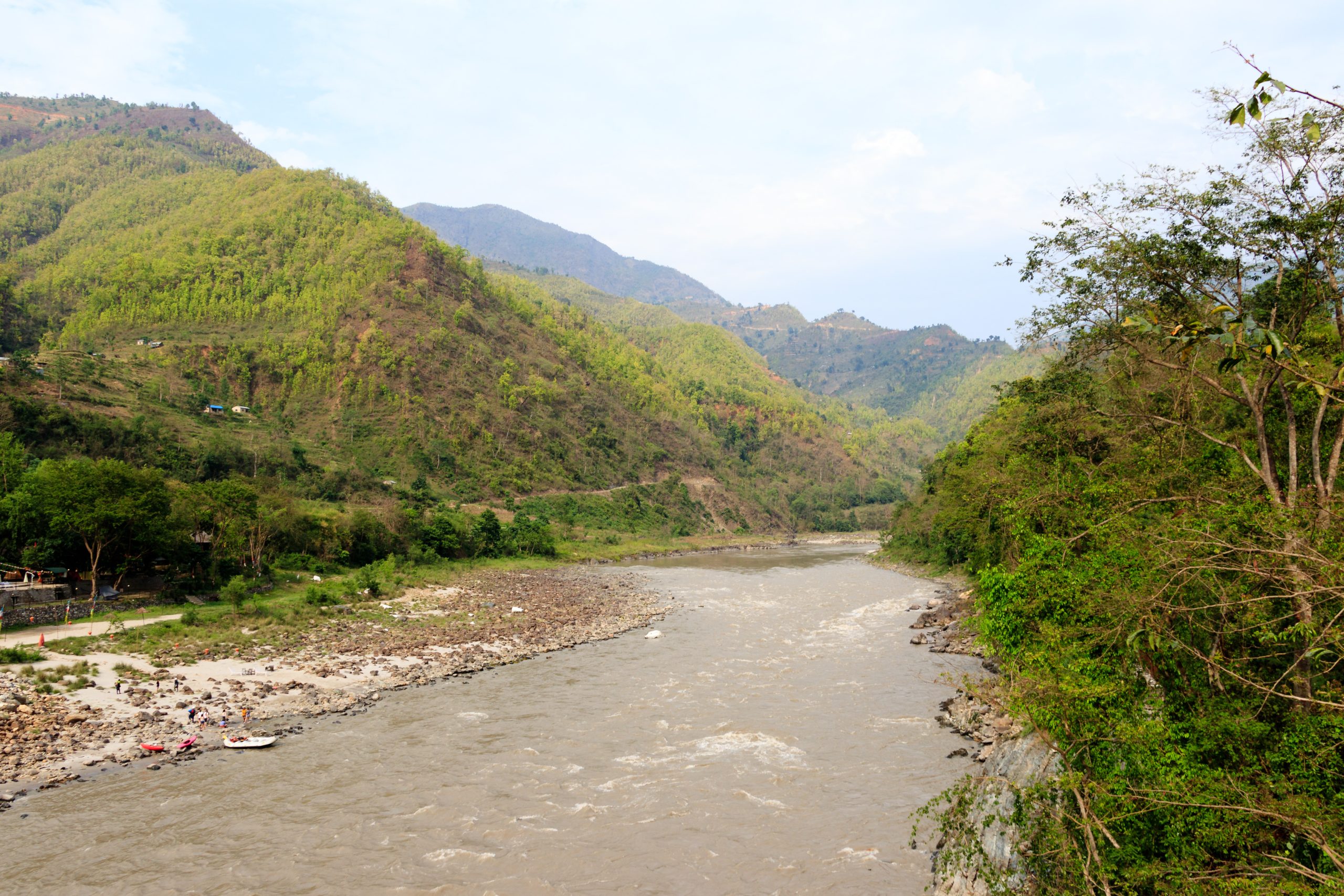
The floods, triggered on August 26 when a glacier high in the mountains collapsed, sent tsunami-like waves racing through river valleys along the Nepal-China border. By Friday, Nepal’s death toll had climbed above 1,280, with thousands still listed as missing. China has reported 21 dead and more than 500 missing in Tibet. Entire villages vanished. Officials believe hundreds of workers at multiple hydropower projects may still be unaccounted for after sludge and debris sealed the tunnels.
At Trishuli 3A, more than 40 people were thought to have been inside the tunnel system when the flood hit. Rescuers from the Nepali Army, supported by technical teams from India, China, and other nations, worked around the clock through unstable ground and thick mud. On Friday morning, they heard faint voices. When they called out reassurances, a weak “okay” came back. Within the hour, Sah and Maharjan were free—pulled from roughly 170 meters deep.
Sah, who spent the ordeal chanting mantras, was reported in more stable condition. Maharjan arrived in critical shape; officials said he could not move his hands and legs and was taken to an army hospital in Kathmandu for intensive care. Videos released by authorities show one man being carried on a rescuer’s back, face still plastered with mud, while bystanders applauded. Both men were employees of the Nepal Electricity Authority.
What kept them alive for nine days in near-total darkness with limited air and little or no food or water? How many others might still be clinging to life in the same network of tunnels? Sah told rescuers he had been in contact with a few other workers and that more people could be deeper in. Search teams later recovered the body of a third man, identified by the power authority as a mechanical engineer, and paused parts of the operation after detecting no further signs of life.
The disaster has exposed the vulnerability of hydropower infrastructure in a region increasingly battered by glacial collapse. Officials have estimated that hundreds of workers may be missing across several projects along the river. Nepal’s disaster authority has put economic losses at more than $2.5 billion. International rescue support and ongoing searches continue as families wait for news of the missing.
This dramatic rescue arrives as Nepal grapples with the human and infrastructural toll of the floods. Survivors like Sah and Maharjan remind the world that even in the darkest places, hope can endure. Will further breakthroughs come before time runs out for those still underground?
SOURCES:Reuters, The New York Times, The Guardian, BBC News, CNN