Canadians hoping that interest rates have reached their peak may have to prepare for the possibility of another increase.
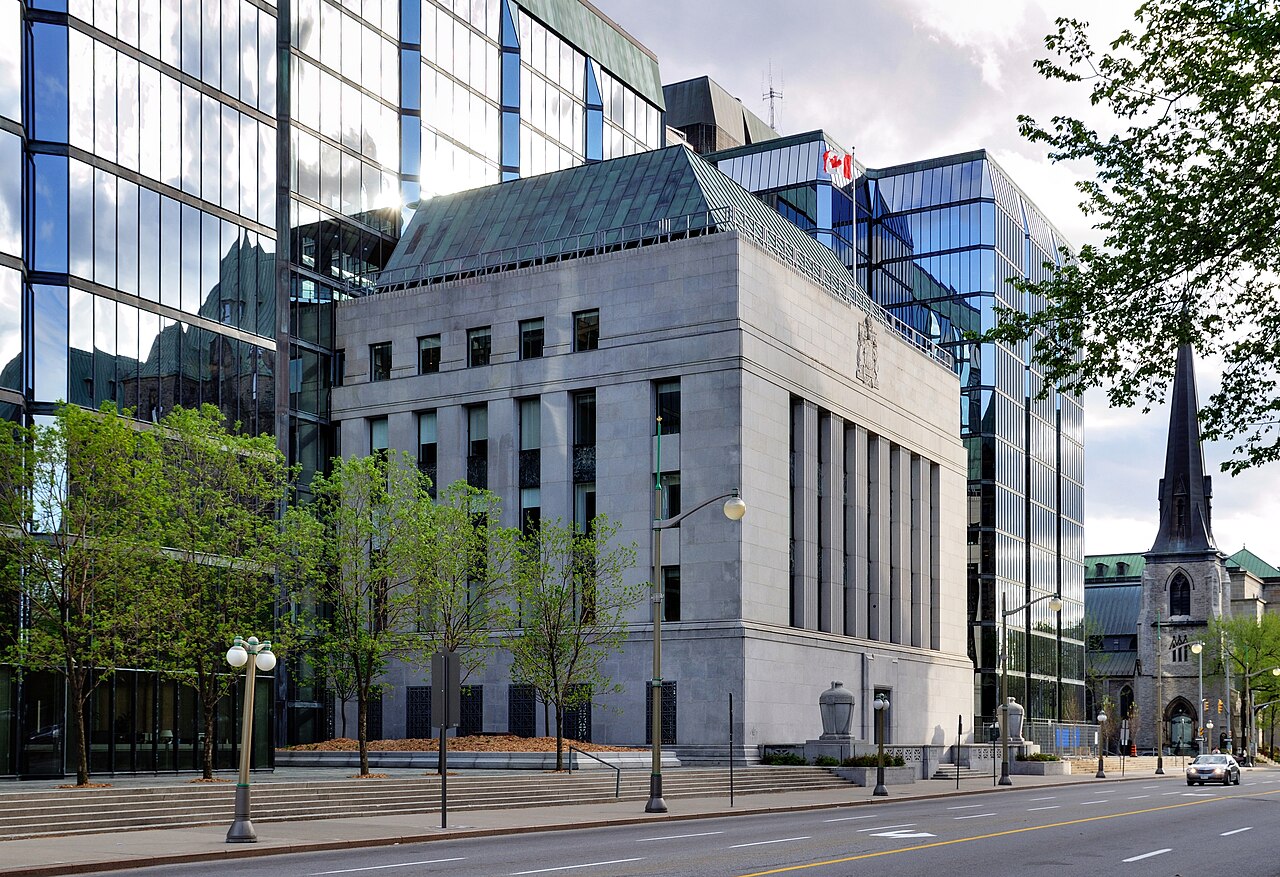
The Bank of Canada says further interest-rate hikes could be necessary as policymakers remain concerned that persistently high energy prices will push up the cost of goods and services across the economy.
In a summary of discussions leading up to its latest rate decision, released November 10, the central bank indicated that uncertainty about the economic outlook would not necessarily prevent it from raising rates again.
The message is important for Canadian households, particularly homeowners with variable-rate mortgages, people carrying debt and anyone planning to borrow money.
However, the Bank has not announced another increase. Officials say they will proceed carefully and assess economic developments one meeting at a time.
Why the Bank of Canada Raised Interest Rates
On October 28, the Bank of Canada increased its key overnight interest rate by 0.25 percentage points, bringing it to 2.50%.
It was the first increase since July 2023.
The decision came as inflationary pressures strengthened, particularly because of higher global energy prices. The Bank warned that elevated oil prices were increasing costs for consumers and businesses, including transportation, production and heating.
Although energy prices have been a major contributor to inflation, policymakers are concerned that businesses will eventually pass higher operating costs on to customers through higher prices for other goods and services.
That possibility is particularly important because inflation can become more difficult to control when price increases spread beyond the sectors initially affected.
The Bank’s October projections suggested that inflation could reach approximately 3.5% by the end of 2026 and remain above 3% through much of 2027 before moving closer to its 2% target.
Could Interest Rates Increase Again?
The latest meeting summary makes clear that another increase remains a possibility.
Policymakers acknowledged considerable uncertainty surrounding energy prices, international trade and the broader economic outlook. However, they agreed that uncertainty did not mean the central bank should avoid taking action if inflation risks continued to grow.
The concern is that higher energy and import costs could gradually spread throughout the economy, making inflation more persistent.
At the same time, the Bank recognizes that higher interest rates can place additional pressure on households and businesses.
Canada’s economy continues to face challenges, including weakness in certain industries affected by U.S. trade measures and a labour market that has shown signs of strain.
For that reason, officials have emphasized a cautious approach rather than committing to a predetermined series of increases.
The next interest-rate decision is scheduled for December 9, 2026.
What Another Rate Increase Could Mean for Canadians
If the Bank raises its policy rate again, the effects would be felt differently depending on a person’s financial circumstances.
Homeowners with variable-rate mortgages
Variable-rate mortgages are generally linked to lenders’ prime rates, which typically move when the Bank of Canada changes its overnight rate.
Another increase could mean higher mortgage payments for borrowers whose mortgage terms adjust their payments when interest rates change. Others may keep the same scheduled payment but see more of it go toward interest rather than principal.
People carrying debt
Canadians with variable-rate lines of credit and other borrowing arrangements tied to prime rates could also face higher interest costs.
Credit card interest rates are generally not directly adjusted with every Bank of Canada decision, but consumers with outstanding balances are already paying substantial borrowing costs.
People renewing or obtaining a mortgage
Fixed mortgage rates do not automatically change when the Bank of Canada raises its overnight rate. Instead, they are influenced by several factors, including government bond yields and lenders’ funding costs.
Nevertheless, expectations about future interest-rate decisions can influence mortgage pricing. Anyone buying a home or renewing a mortgage may therefore be affected by changes in the broader interest-rate outlook.
Why the Bank Cannot Simply Ignore Inflation
The Bank of Canada’s primary monetary policy objective is to keep inflation close to 2% over time.
When inflation rises and remains elevated, the central bank can increase interest rates to make borrowing more expensive. This can reduce spending and investment, easing demand and helping slow price increases.
However, higher rates also have consequences.
Households may have less money available after mortgage and debt payments, while businesses can face greater financing costs. This can slow economic activity and make conditions more difficult for people already under financial pressure.
The Bank must therefore balance the risk of allowing inflation to become entrenched against the economic consequences of keeping borrowing costs high.
That balancing act is becoming particularly difficult as Canada faces higher energy costs alongside uncertainty about international trade and economic growth.
What Happens Next?
For now, Canadians should not interpret the Bank’s latest comments as confirmation that another rate increase is imminent.
The central bank has made clear that future decisions will depend on incoming economic information, including inflation, energy prices, employment and the extent to which businesses pass higher costs on to consumers.
The December 9 announcement will provide another important indication of how policymakers assess those developments.
For millions of Canadians managing mortgages, loans and everyday expenses, the possibility of another increase is a reminder that borrowing costs could remain under pressure.
The Bank of Canada is trying to prevent higher energy prices from becoming a broader and more persistent inflation problem. Whether that ultimately requires another rate increase remains to be seen.
SOURCES: Bank of Canada, Reuters, The Canadian Press, Statistics Canada.