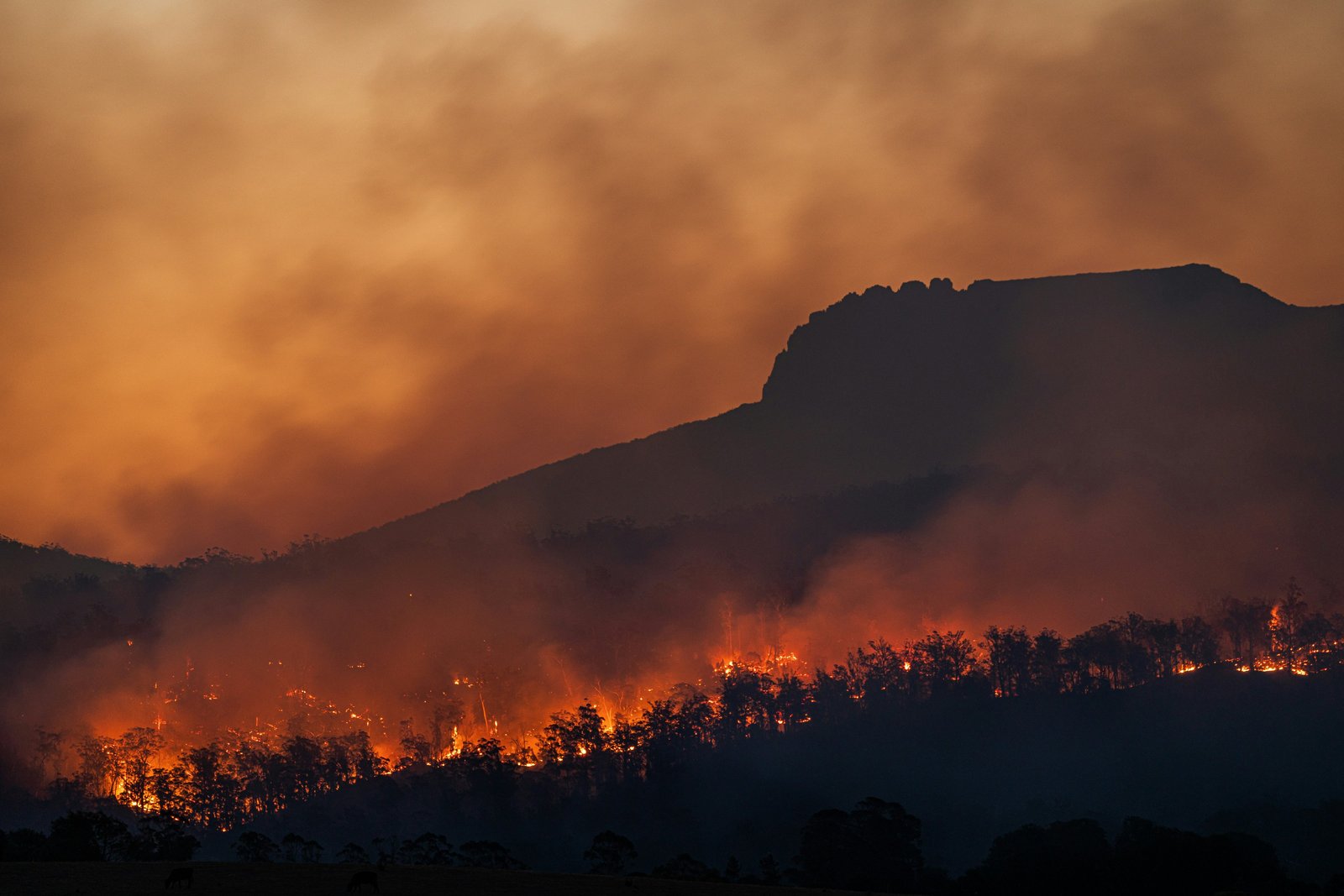
A severe wildfire can turn a thriving forest into a landscape of blackened trunks, scorched soil, and ash. From the ground, it can look as though almost everything has been erased. Yet in many forests, signs of life begin appearing within weeks. New shoots push through the soil, grasses spread across burned ground, and seedlings emerge where trees once stood.
What happens next depends on something surprisingly simple: how much of the forest’s living foundation survived the flames.
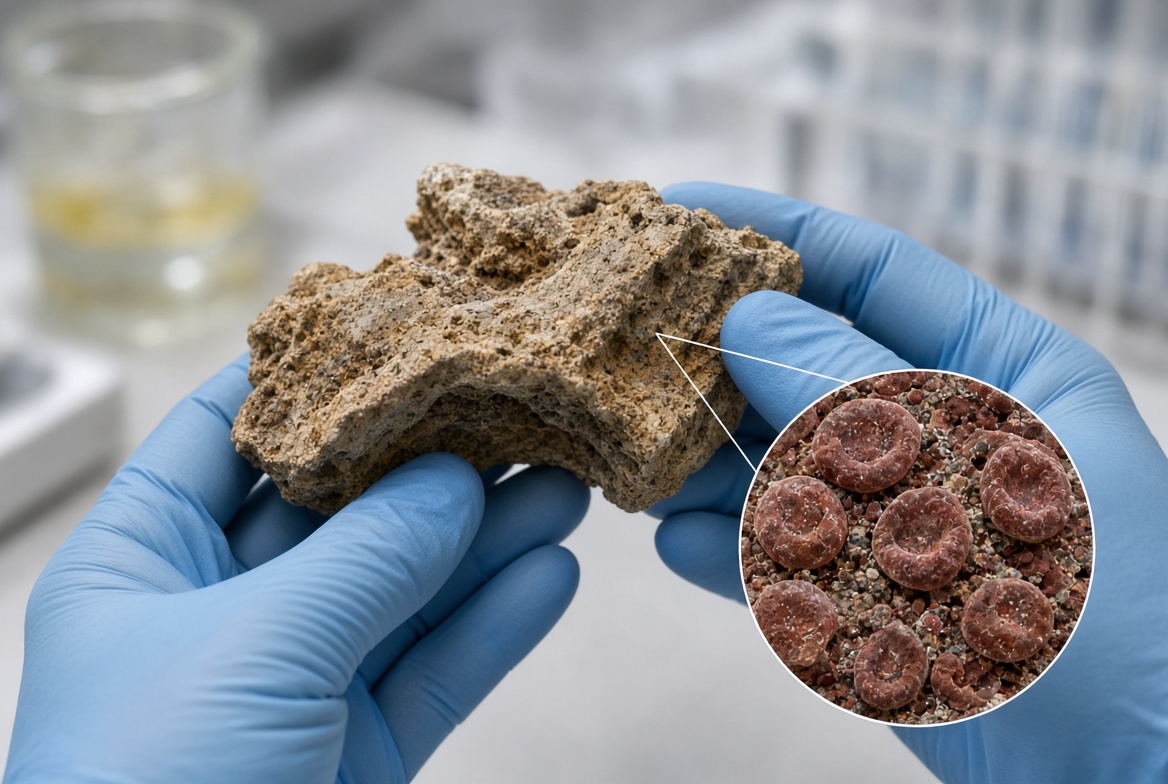
A high-severity fire can destroy most of the canopy and understory, while intense heat damages shallow roots and burns away portions of the organic material covering the soil. But fire rarely kills everything. Some roots remain alive underground, buds survive beneath protective bark, and seeds may lie dormant in the soil, waiting for the right conditions to grow.
These surviving parts give a forest its first chance to recover.
The first signs of life
Some of the earliest plants to return are not new seedlings but regrowth from plants that survived the fire underground. Many trees and shrubs can produce fresh shoots from protected buds near their roots, beneath the soil, or underneath thick bark. In some species, these shoots can appear within weeks or months of a fire.
Other plants depend on seeds rather than surviving roots. Heat and smoke can trigger germination in certain species, allowing seeds that have remained dormant in the soil to sprout after the fire passes.
Some conifers have an even more specialized adaptation. Species such as lodgepole pine can retain seeds inside tightly closed cones that open when exposed to fire-related heat. Once released, the seeds fall onto newly cleared ground, where reduced competition and increased sunlight can give young trees room to grow.
Not every species has these advantages. Trees that depend on seeds from living individuals must wait for them to arrive from outside the burned area or from scattered survivors within it.
Why green returns before the trees
During the first growing season, grasses, herbs, and other fast-growing plants often become the most visible signs of recovery. Many emerge from surviving seeds in the soil, while others spread into the burned area from surrounding vegetation.
Shrubs and tree seedlings gradually follow. Where roots, seeds, and nearby living trees provide a reliable source of regeneration, young trees can become established within a few years.
But recovery can look very different across a large burned landscape. When intense fires destroy extensive areas, the nearest surviving trees may be too far away to supply enough seeds. Research in western North American conifer forests has found that tree regeneration can decline sharply as the distance from surviving seed sources increases.
Dry conditions after a fire make the problem worse. Even when seeds arrive, young seedlings may struggle to survive without sufficient moisture.
This is why two forests burned by similarly intense fires can look dramatically different just a few years later.
How long does it take for a forest to return?
Seeing green vegetation cover the ground does not mean a forest has fully recovered. The return of grasses and shrubs is only the beginning. Rebuilding a tree canopy, restoring the original mix of species, and producing mature trees can take decades.
In many temperate forests, substantial vegetation and soil recovery occurs within the first decade. Tree canopies and forest structure often take 15 to 40 years or longer to develop, while the return of large, mature trees can take considerably more time.
The original forest does not always come back, either.
Some species are particularly successful in the open, sunlit conditions left behind by fire. Aspen and certain pine species, for example, can become dominant during early recovery. Other trees that once thrived beneath a mature canopy may take much longer to return.
Repeated high-severity fires can make this shift more pronounced. If young trees are burned again before they mature and produce seeds, the forest may gradually transition into shrubland, grassland, or a different type of woodland.
What determines whether a forest comes back?
Several factors influence how quickly a burned forest recovers:
Fire severity: The more vegetation, roots, and seeds destroyed, the fewer sources of natural regeneration remain.
Nearby surviving trees: Living trees provide seeds that can gradually recolonize burned ground.
Soil conditions: Seeds, roots, and protected buds can survive underground, although intense heat can damage these resources.
Weather: Rainfall and temperature during the first few years strongly influence seedling survival.
Plant adaptations: Species capable of resprouting or releasing seeds after fire often recover more quickly.
A burned forest bordering healthy woodland, with surviving roots and a functioning soil seed bank, may become noticeably green within two or three years. A vast area burned at high severity, far from surviving trees and followed by several dry summers, may remain sparsely treed for much longer.
The forest continues to change after the flames
Even the dead trees left standing after a wildfire play a role in what happens next. Over time, many fall and become logs scattered across the forest floor. These logs can retain moisture, create shaded areas, and provide sheltered conditions where seedlings have a better chance of surviving.
The soil also faces a vulnerable period immediately after a fire. Without vegetation to hold it in place, rainfall can wash away exposed material and increase erosion, particularly on steep slopes. As plants return, their roots help stabilize the ground, while vegetation gradually restores some of the soil’s ability to retain water.
These changes happen at different speeds. Ground cover can return well before the forest regains its original height, density, or composition.
A wildfire can destroy the visible structure of a forest in a matter of hours, but it rarely erases every part of the ecosystem. Beneath the ash, surviving roots, buried seeds, and protected buds may already be preparing for new growth.
Sometimes the result is a forest that closely resembles the one that burned. Other times, the landscape develops into something different.
A forest can appear completely destroyed after a wildfire, but beneath the blackened ground, the beginnings of its next chapter may already be taking shape.
SOURCES: US Forest Service, ScienceDirect, Fire Ecology, Ecological Applications, Frontiers in Plant Science.