There is no single global drug problem.
UNODC estimates that about 331 million people used drugs in 2024. Most of them used cannabis. Opioids, however, account for a much larger share of drug-related deaths.
At the same time, the cocaine market continues to expand, while new synthetic opioids continue to emerge, sometimes in forms that can be difficult for authorities to identify.
The drug with the most users is not necessarily the drug that causes the most deaths. Any policy that ignores that difference risks targeting the wrong problem.
Governments use a mix of criminal law, prevention, treatment, harm reduction and, in some places, regulated sales to reduce drug-related harms. The more useful question is which combination of policies can reduce the greatest harms for a particular drug and country.
Most Used Is Not Most Lethal
UNODC estimates that about 256 million people used cannabis in 2024. About 63 million used opioids outside medical use, while about 25 million used cocaine.
WHO says opioids continue to account for the largest share of the global drug-related health burden, including fatal overdoses. WHO’s latest published estimates attribute about 450,000 of roughly 600,000 deaths attributable to drug use to opioids.
Cannabis therefore has the largest user population, but opioids account for a disproportionate share of deaths.
That distinction matters. A serious drug policy has to consider both how widely a drug is used and how much harm it causes.
Cannabis
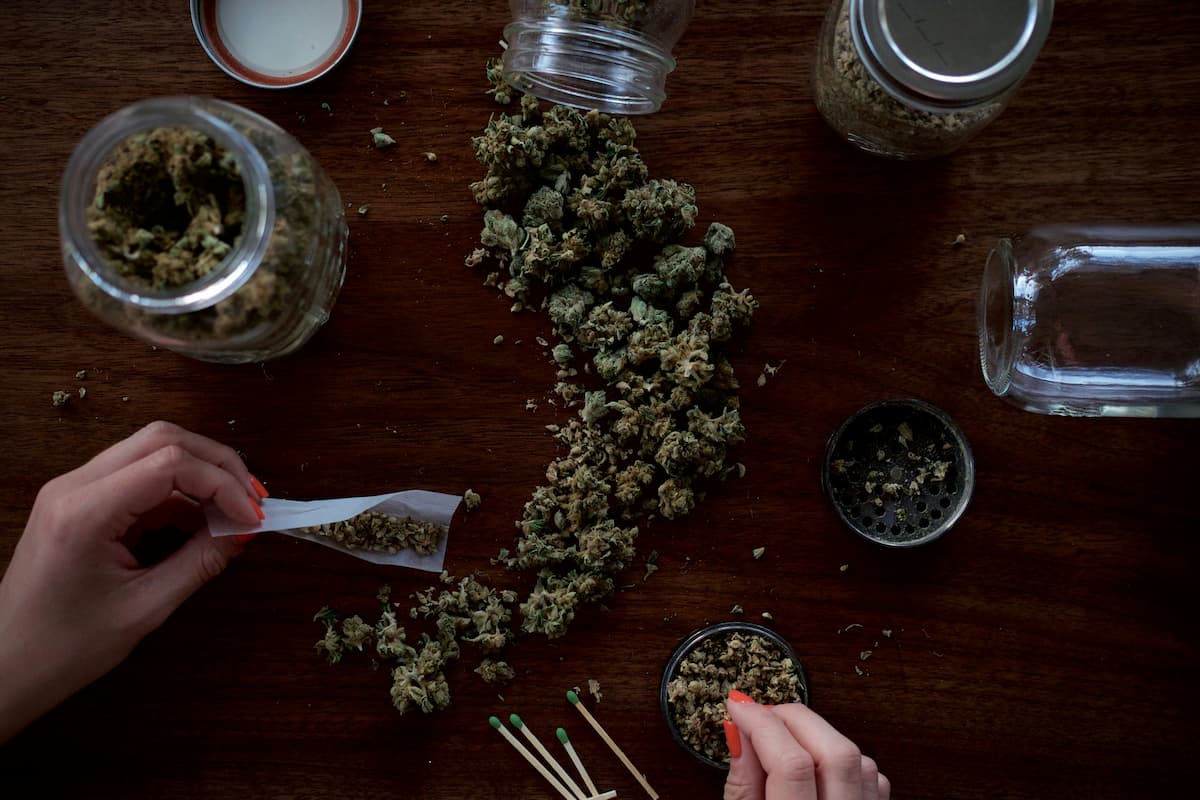
Cannabis has the world’s largest population of users. Some countries now allow legal adult markets, while others continue to prohibit possession and sales.
A legal market is not necessarily a harmless market. Risk can vary depending on how often someone uses cannabis, the strength of the product, the age at which they started and their individual health. Some people develop problematic use, and heavy use has been associated with mental-health and cognitive risks in research.
The debate, therefore, is not simply whether cannabis is “safe.” It is about how governments should manage its risks, including what should remain illegal and what should be regulated.
Opioids
Opioids include heroin, morphine, fentanyl and other drugs that act on opioid receptors. At high doses, they can slow or stop breathing and cause a fatal overdose.
That helps explain why opioids can cause such a large share of drug-related deaths despite having far fewer users than cannabis.
WHO recommends treatments such as methadone and buprenorphine, along with appropriate psychosocial support, for opioid dependence. These treatments can reduce non-medical opioid use and mortality when people can access them.
But access remains a major problem. WHO estimates that about 64 million people worldwide have a drug use disorder, while fewer than 10% receive treatment.
The treatment gap is one of the biggest challenges hidden behind the global death toll.
Cocaine and Other Stimulants
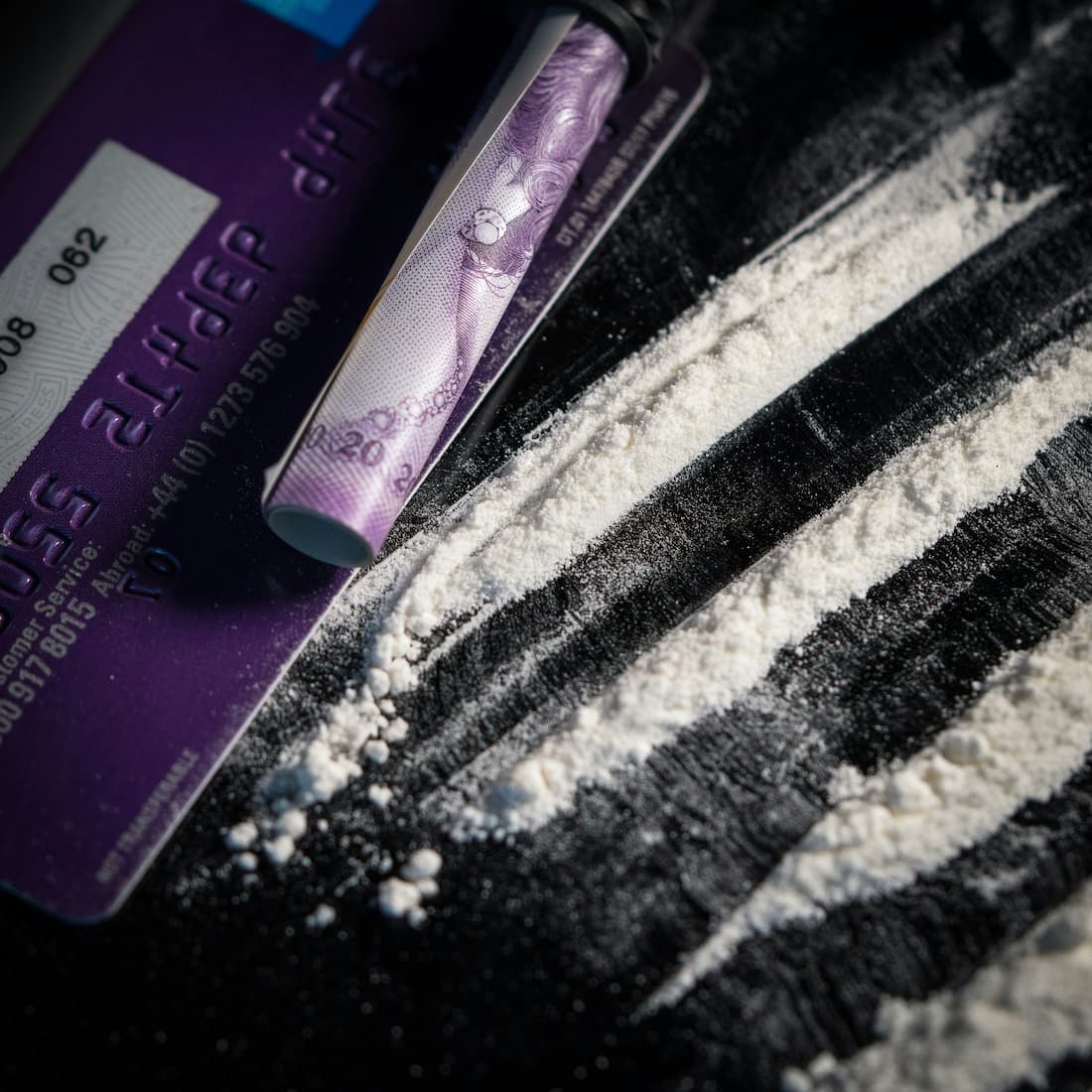
Cocaine has far fewer users than cannabis, but UNODC says its market has grown significantly over the past two decades.
For users, cocaine can increase the risk of cardiovascular problems and dependence. Its production and trafficking can also contribute to violence and organized crime in some countries.
Other stimulants, including methamphetamine and MDMA, create their own health and policy challenges. They should not simply be treated as another part of the cannabis debate.
Synthetic Drugs
Synthetic drugs are creating another challenge because new substances can emerge and spread quickly.
UNODC’s Early Warning Advisory recorded 2,679 synthetic-opioid samples from 12 countries between 2024 and 2026 with information on product form. Nitazenes were frequently detected in tablet form, while orphine analogues were more often reported as powders. Countries had reported nearly 1,500 new psychoactive substances to UNODC between 2005 and 2025.
A new substance can reach the street before health authorities fully understand what it is or how dangerous it may be.
That makes rapid toxicology testing, public-health warnings and access to naloxone increasingly important.
Drug Use Is Not the Same as Dependence
Taking a drug does not automatically mean someone has a drug use disorder.
Many people use drugs without developing dependence or experiencing serious problems. Others develop patterns of use that become difficult to control even after the drug begins causing harm.
WHO treats drug dependence as a health condition. That means a policy focused only on punishing possession does not address the underlying health problem for people who need treatment.
Three Legal Terms That Often Get Confused
Prohibition generally means that producing, selling or possessing a drug is banned and can result in criminal penalties.
Decriminalization means that an activity may remain illegal, but criminal penalties for certain conduct — usually personal possession — are reduced or removed. Trafficking can still remain a serious crime.
Legalization goes further by making an activity legally permitted under specific rules, such as age restrictions, licensed sales, product labeling and taxes.
These approaches are not interchangeable.
A country can decriminalize possession of a small amount while continuing to ban large-scale production and trafficking. Changing one part of the law does not necessarily change everything else.
Does Legalization Make Drugs Safer?
Not automatically.
Legalization changes the legal and regulatory environment, but it does not remove the health effects of the drug itself.
A regulated market can give governments more control over things such as product standards, age restrictions, labeling and sales. But the results depend heavily on how the system is designed.
Research on cannabis legalization has examined issues including youth use, impaired driving, hospitalizations, product potency and the size of illicit markets. The findings do not all point in the same direction.
That is why claims that legalization always works — or always makes drug use worse — are usually too broad.
Harm Reduction and Treatment
Harm reduction aims to reduce preventable deaths, disease and other harms among people who continue to use drugs.
Examples include naloxone, sterile equipment, supervised consumption services and programs that connect people with treatment.
Harm reduction is not an endorsement of drug use. Its purpose is to reduce immediate harm and keep people alive and connected to health services.
Naloxone, for example, can reverse an opioid overdose, but it does not treat the underlying dependence.
Treatment addresses that longer-term problem. For opioid dependence, medications such as methadone and buprenorphine have strong evidence behind them.
The global problem is often not a lack of effective treatments. It is a lack of access to them.
Does Criminalization Reduce Drug Use?
Criminal penalties can affect drug markets and individual behavior, but they have not eliminated drug use.
Drug markets can adapt to enforcement. Trafficking routes can change, suppliers can move and new substances can replace older ones.
At the same time, removing criminal penalties does not automatically reduce overdose deaths or other harms.
That makes it difficult to judge drug policy using only one measure.
A policy could reduce arrests while overdose deaths increase. Another could disrupt a trafficking network while treatment remains difficult to access.
To understand whether a policy is working, governments need to look at multiple outcomes, including drug use, overdose deaths, treatment access, crime and incarceration.
What Should Drug Policy Focus On?
The best approach is unlikely to be one policy applied to every drug.
Different problems require different tools.
For opioids, overdose prevention and treatment are critical. For emerging synthetic drugs, governments need rapid testing, warnings and access to naloxone. For cannabis, the focus may be on how the legal or illegal market is designed, as well as issues such as youth use and impaired driving.
And when organized trafficking is the problem, enforcement can focus on the networks supplying the market rather than only on individual users.
The goal is not simply to reduce the number of people who use drugs.
It is to reduce preventable deaths, disease, untreated dependence and crime while making effective treatment available to the people who need it.
Bottom Line
Global drug use is increasing, but the headline number hides an important distinction: the most widely used drugs are not necessarily the drugs causing the most harm.
Cannabis has the largest user population. Opioids account for a disproportionate share of drug-related deaths. Cocaine markets are expanding, while synthetic opioids and other new substances are making the drug market harder to monitor.
That is why the debate cannot be reduced to legalization versus prohibition.
Prevention, treatment, harm reduction, enforcement and regulation can all play different roles.
The real question is not whether one policy is universally right.
It is which combination of policies reduces the greatest harms for a particular drug, population and country.
SOURCES: United Nations Office on Drugs and Crime (UNODC), World Drug Report 2026; UNODC Early Warning Advisory on New Psychoactive Substances; World Health Organization (WHO), guidance on drug use disorders, opioid agonist treatment and overdose prevention; WHO/UNODC International Standards for the Treatment of Drug Use Disorders.