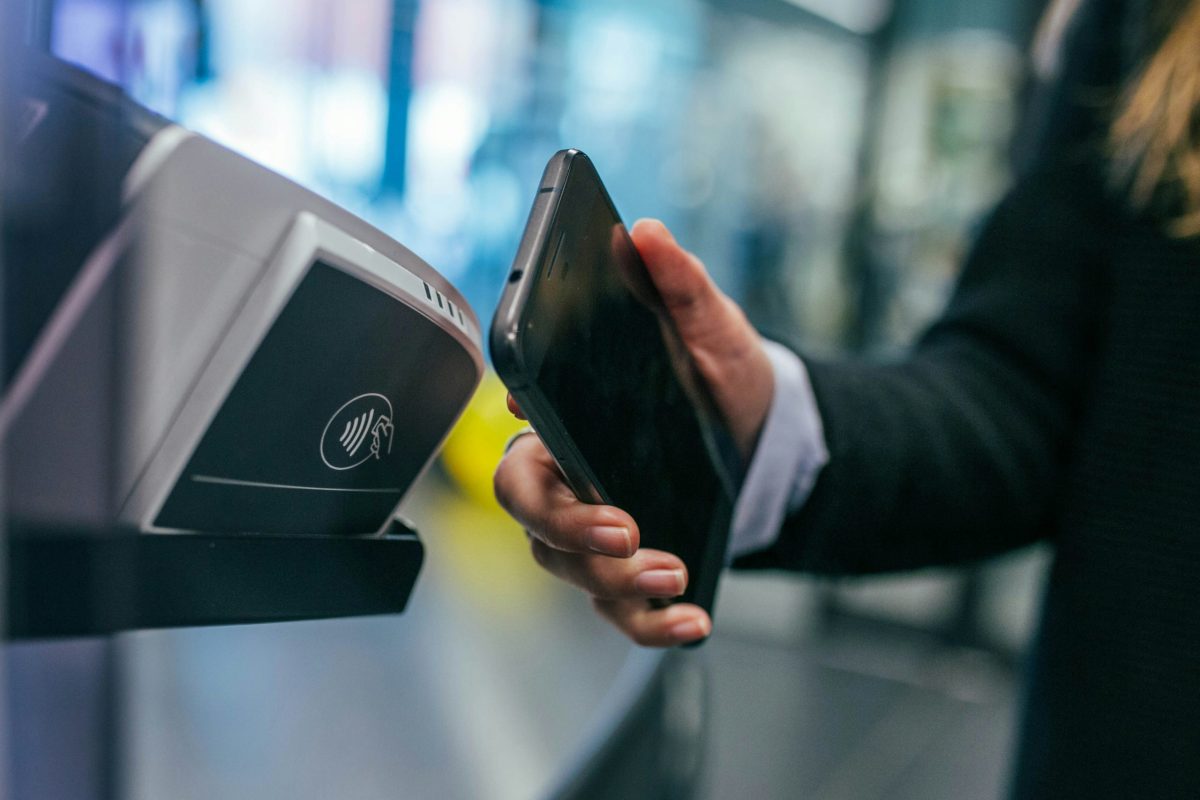
Cash has always been the most straightforward form of money. You can hand someone a note or a few coins and the exchange is complete—no signal, no battery, no account, and no third party required. In large parts of the world that simplicity is already fading. In countries such as Sweden and Norway, cash now accounts for only a small fraction of in-store payments. Cards, mobile apps, and instant bank transfers handle the great majority of everyday transactions.
The scenario explored here goes further. What would change if physical cash were retired completely and every payment, from a bus fare to a house purchase, had to take place through digital systems?
A Possible Path to a Cashless System
In this hypothetical future, the shift would not happen overnight. Governments and central banks would likely manage a multi-year withdrawal. New banknotes and coins would stop being produced. Existing cash would be collected through banks, post offices, and designated return points. Legal tender status would eventually be removed from physical currency.
At the same time, digital infrastructure would be treated as essential public service. Reliable electricity, mobile coverage, and internet access would need to reach almost everyone. A central bank digital currency (CBDC) might be introduced or expanded to give the public a digital form of central-bank money alongside commercial bank accounts and private payment apps. Retailers, transport systems, and government services would be required to accept only electronic payments. By the end of the process, there would be no legal or practical way to pay with notes or coins.
Daily Life Without Cash
The most immediate changes would appear in ordinary routines. Buying groceries, paying for parking, tipping, or settling a small debt with a neighbour would all require a phone, card, or other digital method. Street vendors, market stalls, and small service providers would need devices and connectivity. Children would require digital payment access earlier in life. Many of the quick, informal exchanges that still rely on cash would disappear or move onto apps.
For people already comfortable with digital tools, the system would often feel faster and more convenient. Instant transfers could become the default. Businesses would no longer need to count, store, or transport cash, removing a significant operational burden and security risk. Governments would gain a much clearer view of economic activity, which could improve tax collection and reduce certain forms of cash-based crime.
Who Would Struggle Most
Not everyone would find the transition easy. Older adults who have used cash for decades, people with limited digital skills, those living in areas with weak connectivity, and individuals without stable bank accounts or smartphones would face real barriers. In many countries today, significant numbers of people still rely on cash for day-to-day spending precisely because digital options are difficult or unavailable for them.
In a fully cashless environment these groups could find it harder to pay for food, transport, or medicine unless strong support systems existed—free basic digital accounts, simplified devices, assisted service points, or reliable offline payment methods. Without deliberate inclusion measures, the loss of cash could deepen existing inequalities.
Small-scale and informal economic activity would also be affected. Many low-income traders, private caregivers, and casual workers currently operate partly in cash. Pushing all of that activity into digital channels would increase visibility and record-keeping, but it could also raise costs and complexity for people with thin financial margins.
Privacy in a Fully Traceable System
Cash is anonymous. Once money becomes digital, most transactions leave a record. Payment data can show when, where, and with whom a person spends money. This has clear advantages for investigating crime and enforcing tax rules. It also reduces the everyday privacy that physical cash provides.
How much privacy remained would depend on design choices. A system could be built with strong data protections, limited retention, or selective anonymity features. It could also be built for maximum visibility. In the hypothetical cashless society, the rules governing access to payment data would become a central political and legal question. People who currently value the ability to make small, private transactions would notice the change most sharply.
Resilience and New Points of Failure
Cash works when the power is out and the network is down. A digital-only system does not. Power failures, internet outages, cyber attacks, or large-scale technical problems could temporarily prevent people from buying essentials. In regions that experience frequent storms, infrastructure strain, or connectivity gaps, this risk would be especially noticeable.
Central banks and payment operators already study offline digital payment technology for this reason. Offline features are possible, but they introduce trade-offs around security, fraud prevention, and ease of use. In a world without cash, the reliability of electricity grids, mobile networks, and payment platforms would become critical national infrastructure. Cybersecurity would take on greater importance because the entire economy would depend on systems that can be targeted.
Wider Social and Economic Effects
Over time, habits would shift. People might budget differently when every payment is visible on a screen. Informal lending between friends or family could become more formal. Charitable giving and small personal gifts would change form. Businesses that once served cash-only customers would adapt or lose those customers.
A fully digital environment could make certain policy tools easier to implement, such as rapid targeted transfers. It could also concentrate more economic life inside monitored systems and increase dependence on technology providers and network operators. The long-term effect on social trust, personal autonomy, and system resilience would depend heavily on how the technology and rules were designed.
The Role of Public Digital Money
Many discussions of a cashless future include a central bank digital currency. A CBDC could serve as a digital equivalent of cash—public money issued directly by the central bank rather than only as deposits in commercial banks. Design decisions would matter greatly: whether it could function offline, what privacy features it offered, how easily anyone could access it, and how it interacted with private payment apps. These choices would determine whether the new system preserved some of the accessibility and simplicity that cash currently provides.
Closing Perspective
If cash disappeared completely, routine transactions would become faster and more traceable for those already inside the digital system. The costs and frictions of handling physical money would vanish. At the same time, society would lose a resilient, private, and widely accessible form of payment that still serves important purposes.
The biggest challenges would centre on inclusion, privacy, and resilience. Countries that already have very low cash use show that digital payments can dominate while physical currency remains available as a backup. Removing that backup entirely would cross a significant threshold. The outcome would rest on deliberate choices about access, data rules, offline capability, cybersecurity, and contingency planning.
This “what if” scenario highlights trade-offs that are already visible in the ongoing shift toward digital payments. The technology can deliver convenience and efficiency. Whether it can do so without leaving people behind or creating new vulnerabilities is the harder question.
SOURCES: Sveriges Riksbank, Payments Report 2026; Norges Bank, Web report Retail payment services 2025; World Bank, The Global Findex Database 2025; European Central Bank, FAQs on the digital euro; European Central Bank, Preparation phase of a digital euro — Closing report.