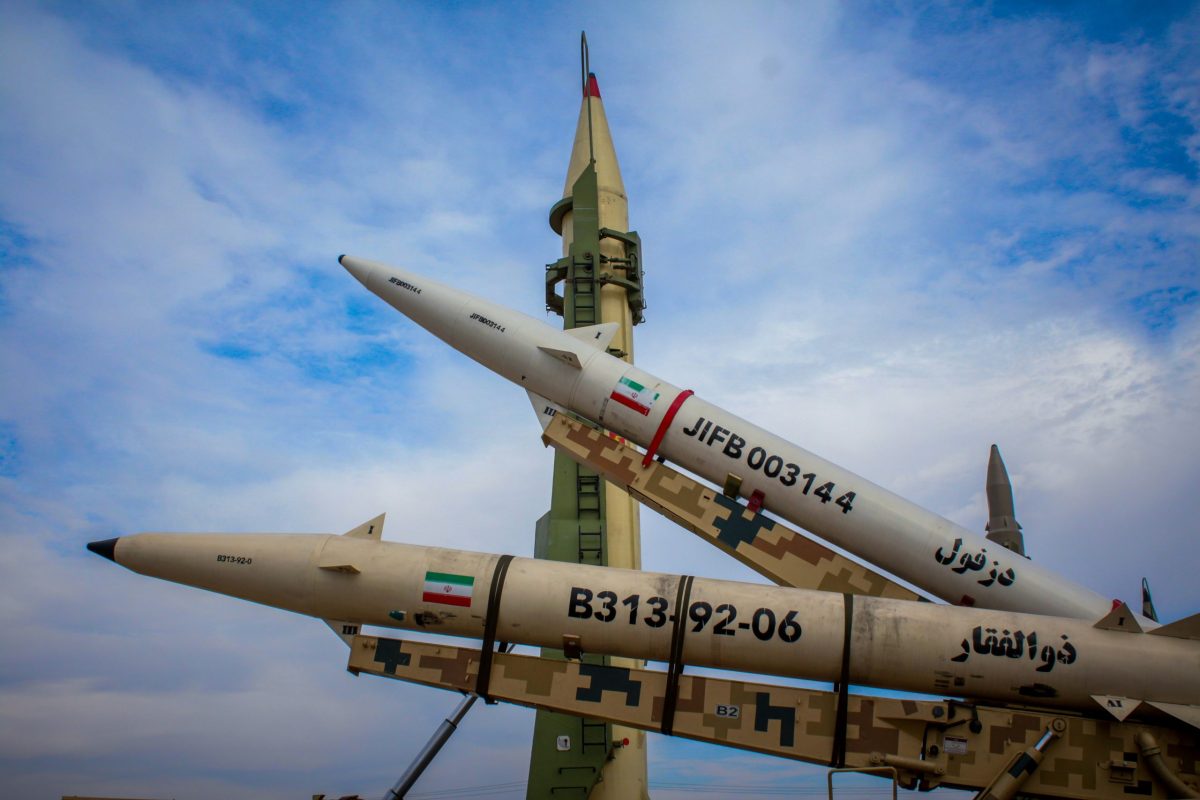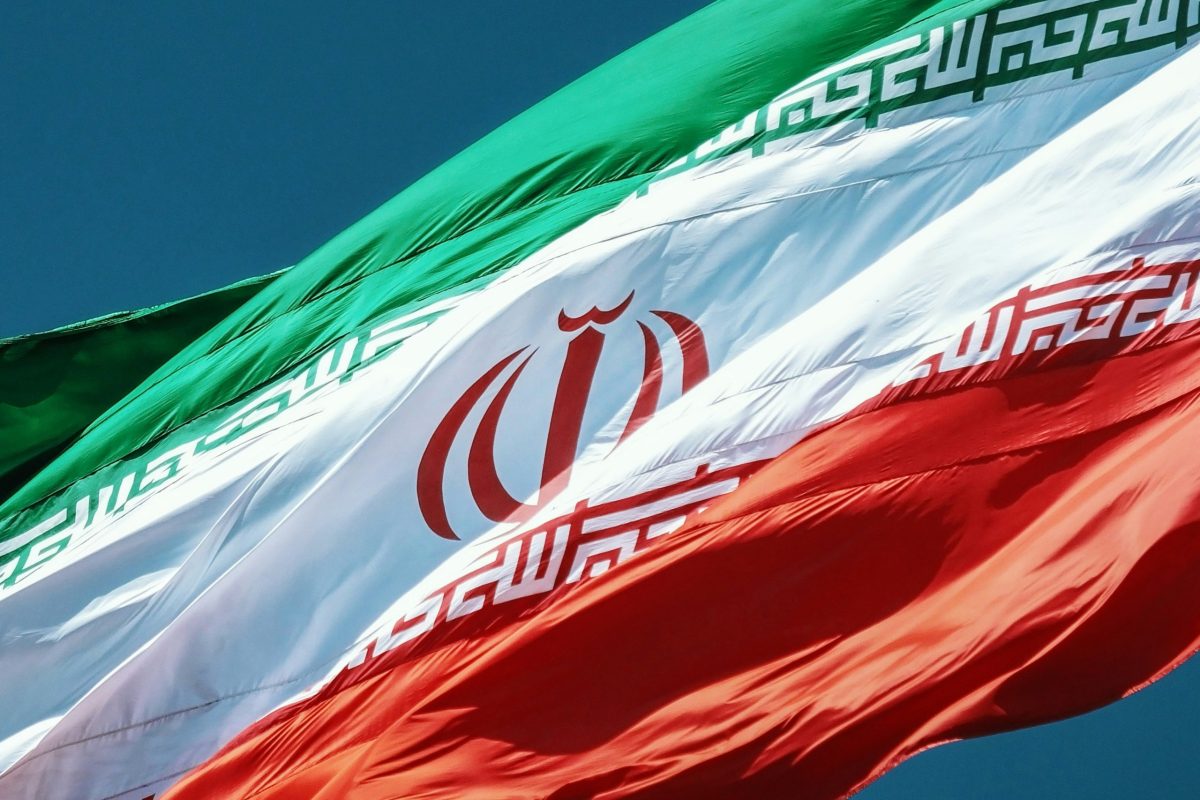
In a stark White House statement on May 12, 2026, President Donald Trump delivered a blunt assessment of the tenuous ceasefire with Iran: it’s barely clinging to life. “I would say the ceasefire is on massive life support,” he said, dismissing Tehran’s weekend peace proposal as “a piece of garbage” that failed to deliver key nuclear concessions.
The comments come amid escalating fallout from the February conflict that saw U.S. and Israeli strikes trigger Iranian missile responses and a blockade of the Strait of Hormuz—the chokepoint carrying nearly 20% of global oil. Saudi Aramco’s chief has warned of “catastrophic consequences” if the strait remains closed, while gas prices surge for American drivers. Trump has floated temporarily suspending the federal gas tax to ease the pain at the pump.
The ceasefire, loosely holding since early April, hangs in the balance as Trump prepares for a high-stakes summit with Chinese President Xi Jinping. Iran, a key Chinese economic partner, adds layers of diplomatic complexity. Will economic pressure from disrupted oil flows force a breakthrough, or push the region toward renewed open conflict?
The Road to Fragile Truce
Tensions ignited in late February 2026 with airstrikes on Iranian targets. Iran retaliated, closing the strait and disrupting global energy markets. A U.S.-brokered 14-point proposal aimed at de-escalation included strict limits on Iran’s nuclear program. Tehran’s response fell short, prompting Trump’s sharp rebuke.
As of today, the strait remains a flashpoint. Shipping companies reroute at massive cost, and energy analysts predict sustained high oil prices could tip fragile economies into recession territory. American passengers returning from unrelated travel face their own quarantines, but the Iran story dominates headlines.
Experts note human-to-human transmission risks in crowded scenarios echo broader global health concerns, but here the virus is geopolitical. How long can this “life support” hold before decisive action—military escorts through the strait or renewed talks—is required?
Global Ripple Effects
European allies watch nervously as energy costs climb. China, mediating indirectly, faces its own balancing act ahead of the Trump-Xi meeting. Domestically, calls grow for relief measures as voters feel the pinch.
Thought-provoking questions arise: Can diplomacy salvage the ceasefire, or will hardline demands on both sides reignite fighting? What role will oil-dependent nations play in pressuring resolution? And in an era of great-power competition, does this expose vulnerabilities in global supply chains that no single leader can fully control?
The situation evolves hourly. Trump’s upcoming China trip may yield clues, but with the ceasefire described in medical terms of near-failure, the world holds its breath. One misstep could pull the plug—will cooler heads prevail, or does 2026 mark a dangerous new chapter in Middle East volatility? The answer may define energy security for years to come.
Sources:
- Reuters: Trump says Iran ceasefire on ‘life support’ (May 11, 2026 update)
- AP News: Trump says Iran ceasefire is on ‘life support’ and proposes gas tax pause
- Democracy Now: Top U.S. & World Headlines — May 12, 2026
- PBS NewsHour: Trump says ceasefire with Iran on ‘life support’
- WHO and related coverage on regional tensions